Work Stress vs Personal Burnout: Which Is Really Draining Your Energy Right Now?
- Wix Partner Support
- Sep 5, 2025
- 4 min read

You know that feeling when you wake up already exhausted, dreading another day? When your coffee needs coffee, and you're running on fumes before 10 AM? Here's the thing, what you're experiencing might not be what you think it is.
Many of us use "stress" and "burnout" interchangeably, but they're actually two very different beasts. And here's why this matters: treating burnout like stress is like putting a band-aid on a broken bone. You need to know which one you're dealing with to actually heal.
Work Stress: Your Engine Running Hot
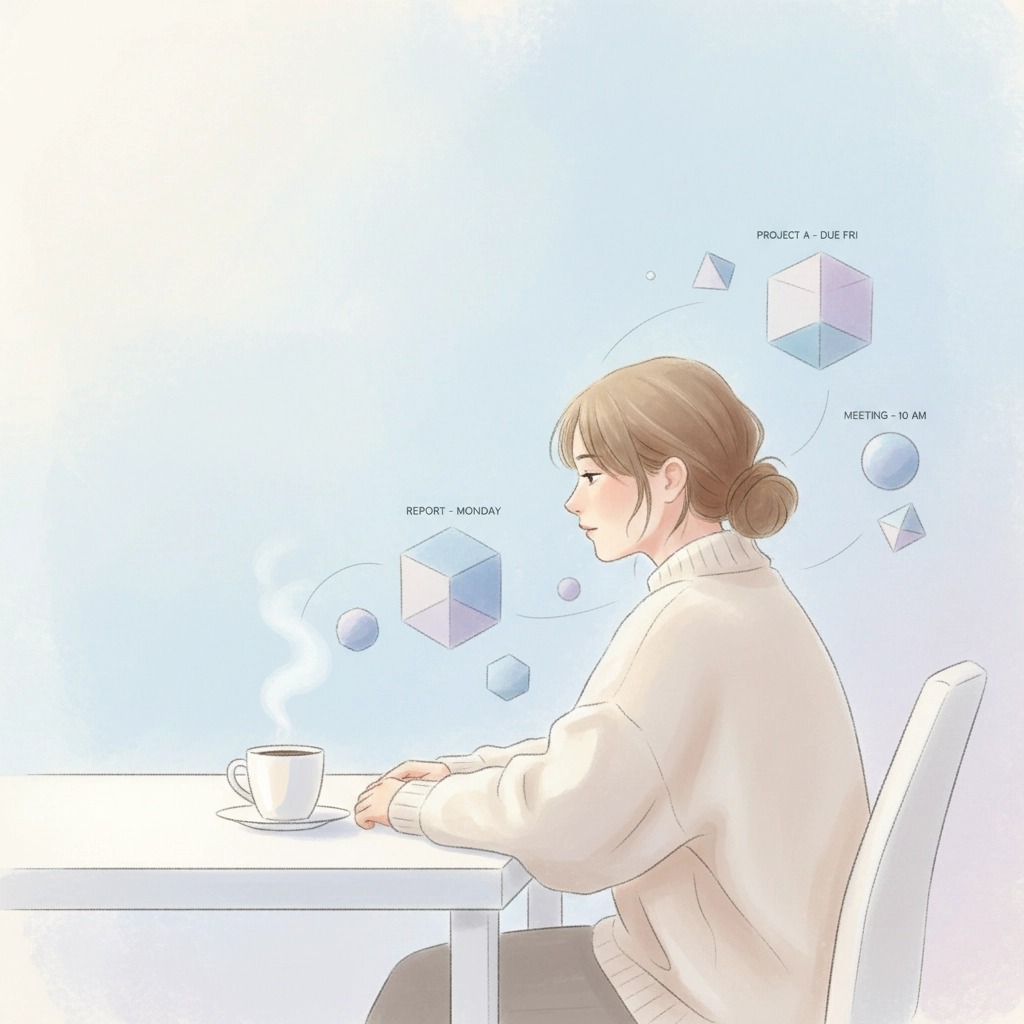
Think of work stress as your car's engine running hot, it's intense, immediate, and usually tied to specific situations. Maybe it's that presentation next week, the impossible deadline, or your inbox that seems to multiply overnight.
Work stress actually serves a purpose. It's your body's way of saying, "Hey, we need to focus here!" Your heart rate increases, your mind sharpens, and you get that surge of energy that helps you power through challenges.
You're likely dealing with work stress if:
You feel overwhelmed but still capable
Your anxiety peaks around specific work situations
You can still enjoy your weekend (mostly)
Rest and relaxation actually help you recharge
You maintain hope that things will get better once this project is done
The key characteristic? Work stress is temporary and situation-specific. Remove the stressor, and you bounce back.
Personal Burnout: When Your Battery Dies
Burnout is different. It's not your engine running hot, it's your battery completely dead. No amount of caffeine or willpower can jumpstart you back to life.
Personal burnout develops slowly, often so gradually that you don't notice until you're already deep in it. It's the result of prolonged, unmanaged stress that has fundamentally changed how you relate to work, relationships, and even yourself.
Burnout shows up in three devastating ways:
Emotional Exhaustion: You feel completely drained, like you have nothing left to give. Even small tasks feel overwhelming because you simply don't have the emotional energy to adapt or cope.
Cynicism and Detachment: You become indifferent to things that used to matter. You might catch yourself being unusually negative, irritable, or avoiding people and responsibilities entirely.
Reduced Sense of Achievement: You doubt your abilities across all areas of life. Your productivity plummets, your confidence erodes, and you feel like you're failing at everything.
You're likely experiencing burnout if:
You feel empty and emotionally drained in all areas of life
You've lost interest in activities you used to love
Rest doesn't restore your energy levels
You feel hopeless about your ability to change your situation
You're detached from work, relationships, and personal projects
The LGBTQ+ Factor: An Added Layer of Complexity
For LGBTQ+ professionals, the line between work stress and burnout can be even blurrier. You're not just managing typical workplace pressures, you're also navigating identity, authenticity, and often invisible emotional labor.
Consider these unique stressors:
The energy drain of code-switching or hiding parts of your identity at work
Hypervigilance in environments that may not feel completely safe
The mental exhaustion of constantly assessing whether to come out or stay closeted
Dealing with microaggressions while maintaining professional composure
The pressure to be a "model minority" while also being authentically yourself
These additional layers mean that what looks like work stress might actually be accelerated burnout. When you're expending extra emotional energy just to exist authentically in your workplace, your reserves deplete faster than you might expect.
How to Tell Which One Is Draining You Right Now
Still not sure? Here's your diagnostic check-in:
Take a moment and honestly assess:
Time Factor: Has this been going on for weeks or months rather than days?
Scope: Does the exhaustion affect your personal relationships and hobbies too?
Recovery: When you rest, do you actually feel better, or do you still feel depleted?
Emotional Connection: Do you still care about your work and relationships, or do you feel disconnected?
Physical Symptoms: Are you experiencing chronic fatigue, sleep issues, or getting sick more often?
If you answered "yes" to most of these questions, you're likely dealing with burnout, not just stress.
Solutions That Actually Work
For Work Stress:
Practice stress management techniques like deep breathing or short walks
Set clearer boundaries around your time and availability
Break large projects into smaller, manageable tasks
Communicate with your supervisor about workload concerns
Use your time off (seriously, use it)
For Personal Burnout:
Recognize that burnout requires more than rest, it requires change
Consider professional support from a therapist or coach
Evaluate what needs to shift in your work or life situation
Focus on reconnecting with your values and what matters to you
Practice self-compassion (you're not broken, you're human)
For LGBTQ+ Professionals Specifically:
Find or create supportive communities at work or in your industry
Work with coaches or therapists who understand LGBTQ+ experiences
Assess whether your workplace truly supports your authentic self
Practice setting boundaries around emotional labor related to identity
Consider whether authenticity at work is worth the energy cost in your current environment
The Path Forward Isn't Linear
Here's what you need to know: recovery from either stress or burnout isn't linear. You'll have good days and terrible days. You'll make progress and slide backward. This is completely normal and doesn't mean you're doing it wrong.
The most important thing you can do right now is give yourself permission to acknowledge what you're really experiencing. If it's stress, address it before it becomes burnout. If it's burnout, please be gentle with yourself and recognize that healing takes time and possibly significant changes.
Your energy is not infinite. Your worth is not determined by your productivity. And seeking help: whether from friends, family, or professionals: isn't weakness. It's wisdom.
You deserve to feel energized by your life, not drained by it. The first step is simply recognizing which battle you're actually fighting. From there, you can choose the right tools for the journey ahead.
Remember: you are not a machine. Burnout is not a badge of honor. And taking care of yourself isn't selfish: it's essential.
What you're experiencing is real, it's valid, and it's more common than you think. You're not alone in this, and you don't have to figure it out all by yourself. Start where you are, with what you have, and take it one step at a time.
If you're ready to explore personalized strategies for managing stress or recovering from burnout, especially as an LGBTQ+ professional, consider reaching out for professional coaching support. Sometimes the most powerful thing you can do is ask for help.
Comments