Trending Trainings & Self-Development for LGBTQ+ Pros: What's Hot for 2026
- Wix Partner Support
- Dec 26, 2025
- 5 min read

The professional development landscape is shifting, and if you're an LGBTQ+ professional, therapist, or executive, you've probably noticed something different about the opportunities rolling out for 2026. Gone are the days of one-and-done diversity workshops that left you feeling seen but not necessarily supported.
What's trending now? Long-term, community-centered programs that recognize your full professional identity, not just your LGBTQ+ status, but your leadership potential, your expertise, and your unique perspective as a change-maker in your field.
Let's dive into what's actually worth your time and investment this year.
The Mentoring Revolution is Here

Structured mentoring programs are having their moment, and for good reason. The numbers don't lie, participants in formal LGBTQ+ mentoring programs report significant increases in workplace confidence and leadership capacity within just four months.
Take the 2026 LGBTQ+ Mentoring Programme by Community Business. This isn't your typical "coffee once a month" mentorship. We're talking about a nine-month commitment that pairs you with experienced mentors while providing monthly professional development sessions and group mentoring opportunities. Yes, it requires 4-6 hours monthly, but consider this: when was the last time you invested that much focused energy in your own professional growth?
The beauty of these programs lies in their integrated approach. You're not just getting career advice: you're building a professional network, developing specific skills, and connecting with others who understand the unique challenges you face as an LGBTQ+ professional.
What makes 2026 mentoring different? It's outcome-focused. Programs are tracking measurable results like confidence levels, leadership readiness, and workplace advocacy skills. They're also acknowledging that mentoring works both ways: many programs now emphasize how mentees can also contribute valuable perspectives to their mentors.
Beyond Diversity Training: DEIB Learning That Actually Works
Remember those mandatory diversity trainings that felt more like checkbox exercises? They're being replaced by something far more substantial: Diversity, Equity, Inclusion, and Belonging (DEIB) learning frameworks that treat inclusion as a core professional skill, not a nice-to-have.

Here's what's trending in DEIB training for 2026:
Continuous learning models that spread education throughout the year instead of cramming it into a single workshop. Think of it like fitness: you wouldn't expect to get in shape with one gym session, so why approach inclusion education that way?
Allyship education that goes deep. We're moving past "how to be an ally 101" to advanced courses on facilitating difficult conversations, interrupting bias in real-time, and creating systemic change within organizations.
Self-directed learning opportunities that use unscripted discussions to address unconscious bias. These programs trust participants to engage authentically rather than following rigid scripts.
Psychological safety workshops that teach leaders how to create environments where LGBTQ+ employees can show up fully without fear of judgment or retaliation.
The best part? Many of these programs are designed to be led by LGBTQ+ professionals, creating opportunities not just for learning but for leadership and expertise-sharing within the community.
Workplace Advocacy Training: Finding Your Voice
Let's be honest: 60% of LGBTQ+ employees face assumptions from colleagues, and many of us lack confidence to speak up in the moment. That statistic isn't just about workplace comfort; it's about career advancement, innovation, and the energy we have left at the end of the day.

Workplace advocacy training is exploding in popularity because it addresses a real need: how do you navigate professional spaces authentically while also advancing your career?
Current trending approaches include:
Terminology and bias interruption workshops that give you concrete language for addressing misconceptions or stereotypes in professional settings. These aren't confrontational approaches: they're educational tools that help you become a resource rather than constantly defending your existence.
Confidence-building programs specifically designed for LGBTQ+ professionals who want to speak up more effectively in meetings, negotiations, and leadership situations.
Recruiter and hiring manager bias training that many organizations are now requiring: which means if you're in HR or leadership, getting certified in these areas could significantly boost your professional value.
Advanced allyship training for LGBTQ+ professionals who want to support colleagues facing similar challenges, creating ripple effects of positive change within organizations.
The Intersection: Where LGBTQ+ Identity Meets Professional Expertise
What's really exciting about 2026's training landscape is how programs are recognizing that your LGBTQ+ identity doesn't exist in a vacuum. You're also a therapist dealing with burnout, or an executive navigating remote leadership challenges, or a consultant building your own practice.
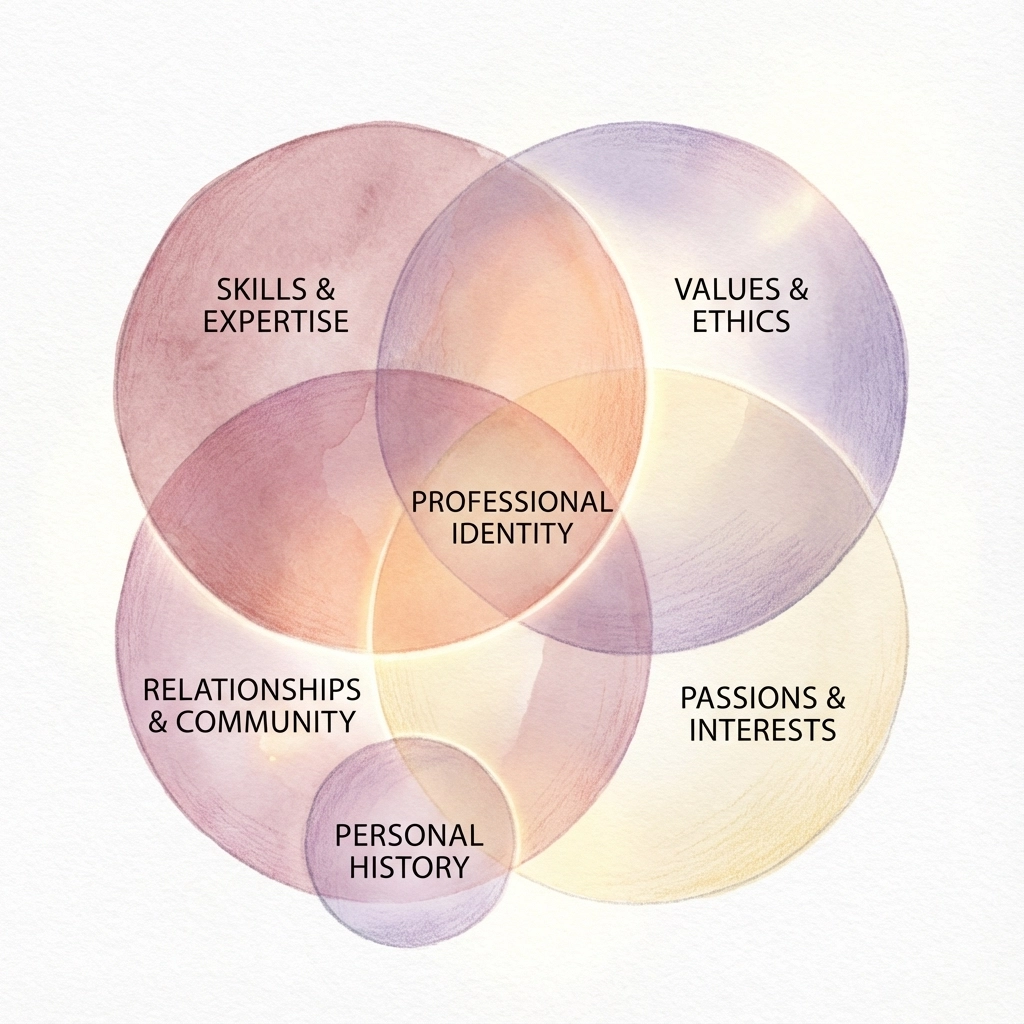
Intersectional professional development is trending because it acknowledges the full complexity of who you are. Programs are addressing questions like:
How do you maintain boundaries as an LGBTQ+ therapist without burning out from constantly educating clients?
What does authentic leadership look like when you're navigating both executive pressures and identity-based challenges?
How do you build a practice or consultancy that serves the LGBTQ+ community while also establishing yourself as an expert in your field?
At Waves of Change Coaching, we're seeing increased demand for programs that address these intersections. The most effective training approaches recognize that supporting LGBTQ+ professionals means understanding the unique pressures you face, not just providing generic leadership or wellness training.
Virtual vs. In-Person: What's Actually Working
The training world learned a lot during the pandemic years, and 2026 offerings reflect that wisdom. The most successful programs are using hybrid approaches that maximize the benefits of both virtual and in-person experiences.
Virtual programs excel at: Regular touchpoints, accessibility for people in less LGBTQ+-friendly locations, and cost-effectiveness for ongoing education.
In-person intensives work best for: Deep community building, complex skill practice (like difficult conversation facilitation), and retreat-style experiences that allow for reflection and reset.
The trending approach? Programs that combine regular virtual check-ins with quarterly in-person intensives, or virtual education with local meetup groups for community building.
Making Your Choice: What to Look For

With so many options, how do you choose what's worth your time and investment?
Look for programs that:
Provide specific, measurable outcomes rather than vague promises of "increased confidence"
Are led by or extensively involve LGBTQ+ professionals as trainers and curriculum developers
Offer ongoing support rather than one-time events
Address your professional needs alongside your identity-based experiences
Provide community-building opportunities, not just individual skill development
Red flags include:
Programs that treat LGBTQ+ identity as something to be "managed" rather than celebrated
Training that focuses only on problems without providing practical solutions
Offerings that don't acknowledge the expertise and leadership LGBTQ+ professionals already bring to their fields
Your Next Step
The professional development landscape for LGBTQ+ professionals has never been richer or more nuanced. Whether you're drawn to structured mentoring, advanced DEIB education, advocacy training, or intersectional approaches, the key is choosing programs that see you as a whole person: not just your identity, not just your role, but the complex, capable professional you are.
Take some time this week to assess what you need most. Are you looking for community? Skill development? Leadership advancement? Advocacy training? Once you're clear on your goals, you can choose the trending training approaches that will actually move the needle in your professional life.
Your growth matters. Your voice matters. And in 2026, there are finally training programs that understand both.
Comments