Thank You to the Team: Small Acts of Kindness That Transform Work Culture
- Wix Partner Support
- Nov 24, 2025
- 5 min read

What if the antidote to workplace burnout wasn't another wellness program or productivity hack, but something much simpler? What if it was just saying "thank you" more often?
This Thanksgiving week, let's talk about gratitude: not the forced, once-a-year kind, but the daily practice of recognizing the people around you. Because here's what most organizations miss: small acts of kindness don't just make people feel good. They fundamentally transform how we work together.
The Hidden Power of Recognition
You know that feeling when someone notices your work? Really notices it: not just with a quick "good job" but with specific acknowledgment of what you did and why it mattered? That moment of being seen creates something powerful in your nervous system. It signals safety. It reduces stress hormones. It literally prevents burnout at the cellular level.
When colleagues treat each other with genuine appreciation, they're not just being nice. They're creating a buffer against the chronic stress that leads to exhaustion, cynicism, and that awful feeling of being replaceable.
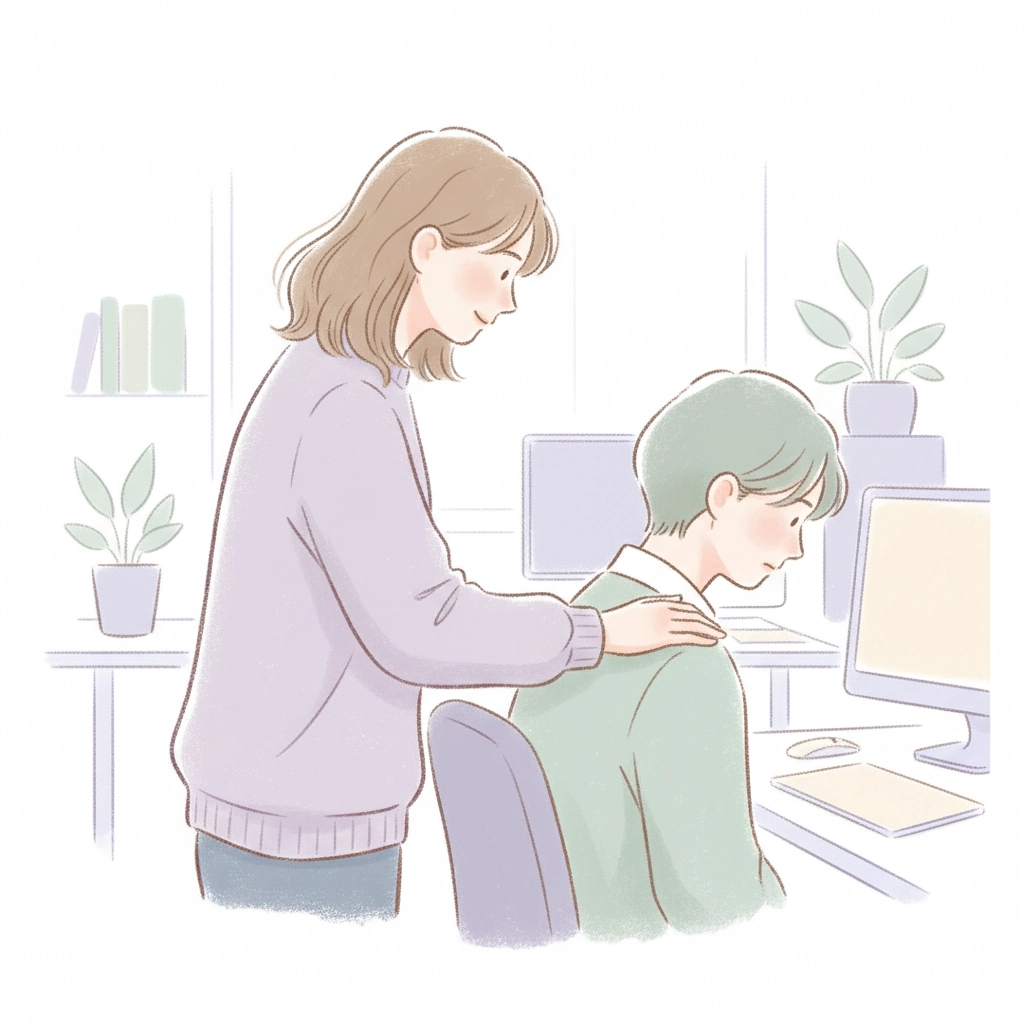
Think about your last really tough work week. What would have changed if someone had stopped to say, "I noticed how you handled that difficult client call. Your patience made all the difference"? Or if a teammate had acknowledged, "The way you supported everyone during that deadline crunch: that's leadership"?
Those moments matter more than we realize.
Why Simple Gratitude Prevents Burnout
Burnout isn't just about workload. It's about feeling invisible, undervalued, and disconnected from purpose. When we consistently experience appreciation: both giving and receiving it: we build resilience against these core burnout triggers.
Here's what happens in a gratitude-rich workplace:
Stress becomes manageable. When you feel valued, your body produces less cortisol. You sleep better. You recover faster from difficult days.
Motivation stays alive. Recognition fuels intrinsic motivation in ways that bonuses and perks simply can't match. You remember why your work matters.
Belonging grows stronger. Especially for LGBTQ+ professionals and others who may feel marginalized, genuine appreciation creates psychological safety. You can bring your whole self to work.
Team bonds deepen. When appreciation flows freely, collaboration improves. People support each other instead of competing or burning out in isolation.
The Ripple Effect of Everyday Kindness
Small acts of workplace kindness create exponential change. One genuine "thank you" inspires the receiver to notice and appreciate others. That person then extends kindness to someone else. Soon, you have a culture where recognition is the norm, not the exception.
But it has to start somewhere. It has to start with someone choosing to pause and notice.

Maybe it's acknowledging the colleague who always remembers to ask how your weekend was. Or thanking the person who consistently shares credit for team wins. Or recognizing someone who advocates for inclusive language in meetings: even when it's uncomfortable.
These moments accumulate. They become the foundation of a workplace culture that sustains people instead of draining them.
What Real Appreciation Looks Like
Not all recognition is created equal. Generic praise falls flat. But specific, timely appreciation? That changes everything.
Instead of: "Great job on the presentation." Try: "The way you anticipated those tough questions and prepared thoughtful responses: that's what made the difference in getting buy-in from leadership."
Instead of: "Thanks for your help." Try: "When you stepped in to cover that client call while I was dealing with my family emergency, you saved me so much stress. That's the kind of support that makes this team special."
Instead of: "You're so organized." Try: "The system you created for tracking project deadlines has prevented at least three potential disasters this month. You've made everyone's job easier."
Notice the difference? Specific appreciation tells people exactly what they're doing well, so they can keep doing it. It also shows you're paying attention: really paying attention.
Building Gratitude Into Daily Practice
Transforming workplace culture doesn't happen overnight. But it can start with small, consistent actions that gradually shift how your team operates.
Start your day with intention. Before checking email, ask yourself: "Who can I appreciate today?" Maybe it's the facilities person who keeps your workspace comfortable, or the IT support who solved that annoying tech issue, or the colleague who mentored someone new.
End meetings with recognition. Before everyone logs off, take thirty seconds to acknowledge someone's contribution. "Sarah, your questions really helped us think through the implementation challenges." Simple. Specific. Powerful.
Create appreciation rituals. Some teams have "wins and thanks" time during weekly check-ins. Others use collaboration tools to share appreciation publicly. Find what feels authentic to your group.
Notice the helpers. In any workplace, some people quietly make everyone else's job easier. The person who always volunteers for the difficult tasks. The colleague who remembers birthdays and work anniversaries. The teammate who speaks up when someone's being interrupted. These people often go unrecognized because their contributions seem "small." They're not.
Gratitude as Inclusion
For LGBTQ+ professionals and other marginalized groups, workplace appreciation takes on additional significance. When someone acknowledges your contributions authentically: without tokenizing or minimizing your identity: it communicates belonging.
Recognition becomes even more powerful when it explicitly values the unique perspectives and strengths that diversity brings to teams. "Your experience helped us understand blind spots in our client outreach." "The way you facilitated that difficult conversation showed real leadership." "Your advocacy for inclusive policies is making this a better place for everyone."
This kind of appreciation doesn't ignore difference: it celebrates the value that different experiences and perspectives bring to the work.
Starting Where You Are
You don't need permission to begin appreciating the people around you. You don't need a formal recognition program or budget approval. You just need to start noticing and speaking up.
Begin with one person today. Think about someone who made your work life better this week: even in a small way. Tell them specifically what they did and how it helped. Watch what happens.
Then tomorrow, notice someone else. And the day after that, someone else again.
You're not responsible for transforming your entire workplace culture single-handedly. But you are responsible for the energy you bring to your daily interactions. You get to choose whether your presence adds to the stress or the support.
The Long Game
Building a culture of genuine appreciation takes time. You'll encounter resistance: people who think gratitude is "soft" or "unprofessional." You'll have days when you forget to notice the good around you because you're overwhelmed or frustrated.
That's okay. Culture change happens through consistency, not perfection.
What matters is coming back to the practice. Choosing to see the humanity in your colleagues. Recognizing that behind every email and every Zoom screen is a person doing their best with what they have.
When you appreciate someone authentically, you're giving them a gift that costs you nothing but changes everything. You're reminding them that their work matters, that they're seen, that they belong.
In a world full of workplace stress and burnout, that might be the most radical act of all.
This Thanksgiving week, as you practice gratitude in your personal life, bring some of that same intentionality to your professional relationships. Notice the difference it makes: for them, and for you.
Because creating a workplace culture that sustains instead of drains us? That starts with saying thank you. And meaning it.
Comments