Struggling For Work-Life Balance? 50+ Micro-Coaching Examples That Actually Work for Remote Teams
- Wix Partner Support
- Nov 12, 2025
- 5 min read

You're not imagining it. Work-life balance feels harder when your bedroom doubles as your boardroom and your kitchen table hosts both breakfast and budget meetings. If you're leading a remote team and watching talented people burn out despite flexible schedules, you're not alone.
The truth? Traditional work-life balance advice falls flat in remote environments. "Just log off at 5 PM" doesn't work when your laptop lives three feet from your bed. What does work are micro-coaching strategies: small, intentional practices that create real boundaries without requiring a complete life overhaul.
Let's dive into the strategies that actually move the needle for remote teams struggling to find their rhythm.
What Makes Micro-Coaching Different?
Micro-coaching isn't about grand gestures or major policy changes. It's about teaching your team members tiny, sustainable habits that compound over time. Think of it as the difference between running a marathon tomorrow (overwhelming) and walking around the block today (doable).
These aren't just productivity hacks. They're relationship-building tools that help people reconnect with themselves and their priorities. When you teach someone to create a five-minute transition ritual, you're not just helping them manage time: you're helping them honor their humanity.
The Power of Micro-Transitions
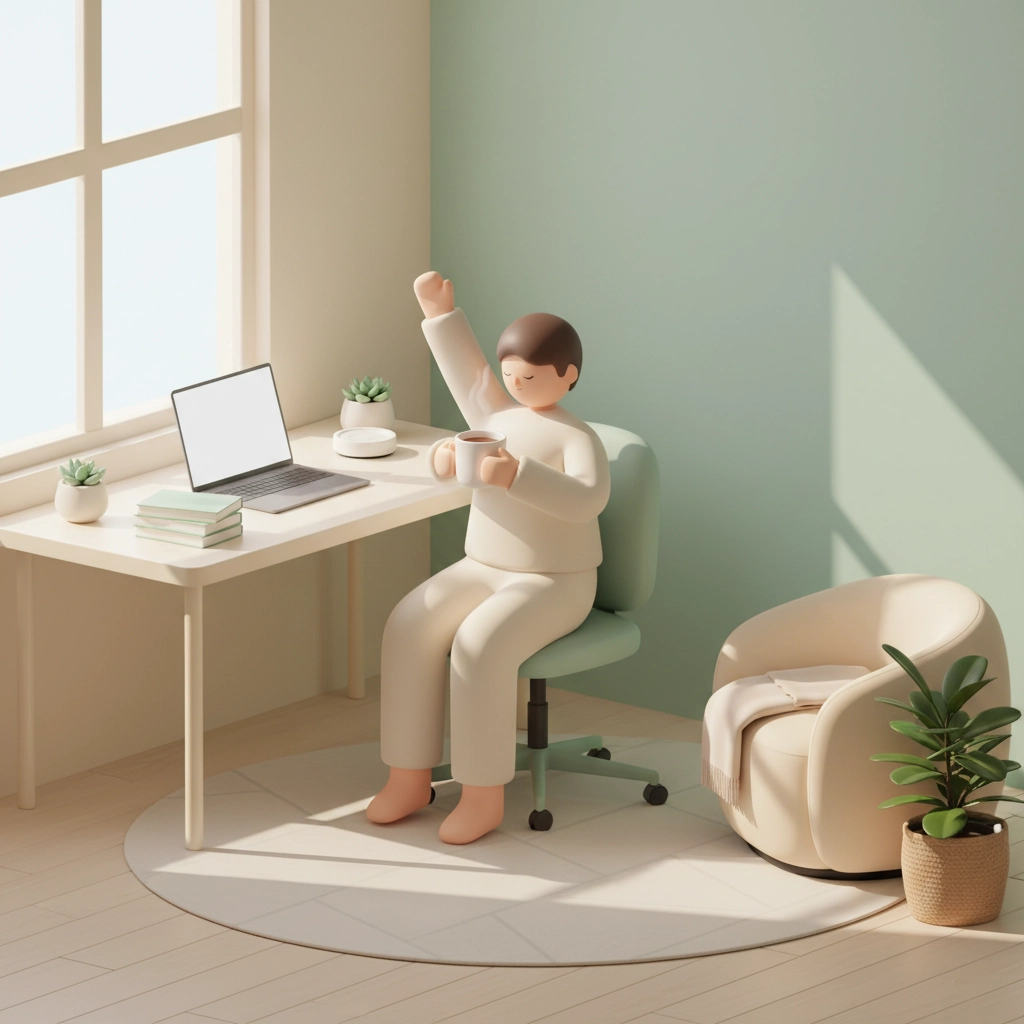
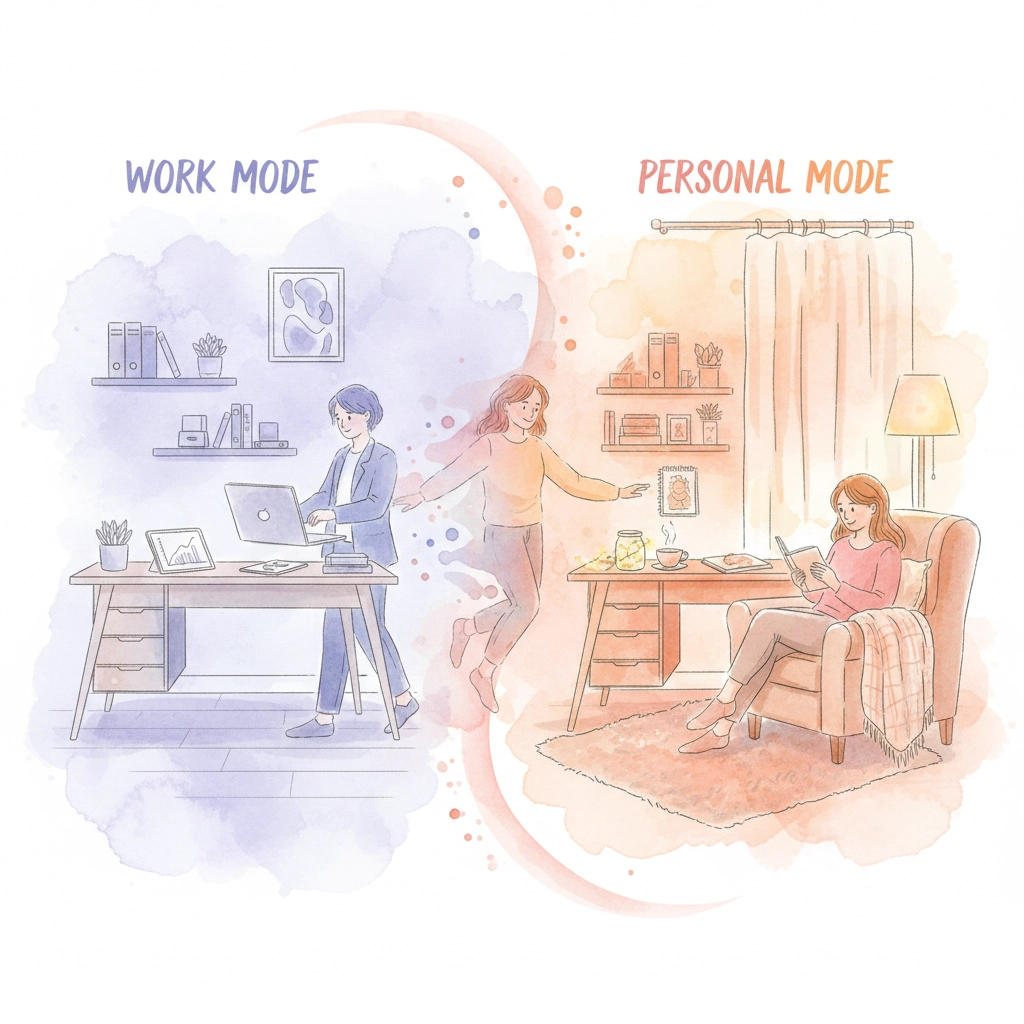
One of the most effective coaching tools you can teach your team is the concept of micro-transitions. These are deliberate routines that help people shift between work mode and personal mode. Unlike boundaries, which can feel rigid, micro-transitions create flow.
The sweet spot? 15-30 minutes at the start and end of each workday, though even five intentional minutes can work magic.
Physical micro-transitions are often the easiest starting point:
Change clothes (even if it's just switching shirts)
Walk around the block before "going to work"
Create a designated workspace and physically leave it at day's end
Use a specific coffee mug only during work hours
Mental micro-transitions help shift cognitive gears:
Write three priorities for the day before checking email
End each day by writing down tomorrow's top task
Practice five minutes of meditation or deep breathing
Review what went well during the day
Emotional micro-transitions honor feelings:
Set an intention for how you want to show up at work
Practice gratitude for something personal before diving into tasks
Acknowledge any stress or anxiety without judgment
Celebrate one small win before transitioning to family time
The magic happens when these become habits. Coach your team members to develop multiple "go-to" transitions as backup options. What works on a chaotic Monday might not fit a peaceful Friday.
Boundary Strategies That Actually Stick
Boundaries aren't walls: they're gates with clear operating hours. Here's how to coach your team to build them:
The Sacred Log-Off: Coach employees to actively clock off and resist checking work emails during personal time. This isn't just nice advice; it's becoming legally protected in some countries. Model this behavior yourself. If you send emails at 9 PM, include a note: "Sent outside business hours: no need to respond until tomorrow."
Communication Clarity: Help team members establish clear expectations about availability. Are they expected to answer messages within an hour? Two hours? By end of day? Uncertainty creates anxiety, and anxiety destroys balance.
The Dedicated Workspace Rule: Even in a studio apartment, encourage creating a designated work zone. It could be a specific corner, a particular chair, or even just a box that gets opened and closed each day. Physical boundaries support mental ones.
Flexible Structure Strategies
Here's the paradox of remote work: people need more structure, not less, to create effective balance. Coach your team on these approaches:
Time Blocking with Buffer Zones: Teach team members to schedule not just work tasks, but also transition time, lunch breaks, and even "thinking time." A calendar that shows only meetings is a recipe for burnout.
No-Meeting Mornings or Afternoons: Designate specific times for deep work. One company saw productivity jump 15% after implementing "no-meeting mornings" three days a week.
The Two-Hour Rule: Coach team members to identify their most productive two-hour window and protect it fiercely. Use this time for the work that requires deep focus, not responding to messages.
Flexible Start Times: Allow people to begin their day when they're naturally most alert. Some people are ready to tackle complex problems at 7 AM; others don't hit their stride until 10 AM. Honor these differences.
Wellness Integration That Works
Work-life balance isn't just about separating work and life: it's about integrating wellness into both. Coach your team on:
Micro-Wellness Breaks: Instead of trying to fit in hour-long gym sessions, encourage five-minute movement breaks throughout the day. Set phone reminders to stand, stretch, or do jumping jacks.
Mindful Eating Practices: When your kitchen is twenty steps away, it's easy to mindlessly snack or skip meals entirely. Coach team members to eat one meal per day without screens or distractions.
Virtual Connection Rituals: Start meetings with a brief check-in question unrelated to work. "What's something good that happened this week?" or "What are you looking forward to today?" These tiny moments of connection combat isolation.
Wellness Wednesdays: Dedicate mid-week time to wellness activities. This could be a group yoga session, a walking meeting, or simply encouraging everyone to take a real lunch break.

Management Approaches That Support Balance
If you're leading remote teams, your coaching approach significantly impacts their work-life balance:
Macro-Management Over Micro-Management: Trust your people to work. Checking in every hour destroys autonomy and creates resentment. Instead, focus on outcomes and provide support when asked.
Regular One-on-Ones: Schedule consistent, private check-ins focused on workload and stress levels, not just project updates. Ask questions like: "What's feeling overwhelming right now?" or "Where do you need more support?"
Problem-Solving Together: When productivity issues arise, address them privately and collaboratively. Frame conversations around support: "How can we make this easier for you?" rather than blame: "Why isn't this getting done?"
Clear Expectations Setting: Define what success looks like and by when. Ambiguity creates anxiety, and anxiety spills into personal time as people worry about whether they're doing enough.
Implementation Framework for Teams
Here's how to introduce these strategies without overwhelming anyone:
Week 1: Choose one micro-transition to try. Have everyone experiment with the same practice and share results in your next team meeting.
Week 2: Add a boundary practice. This might be establishing email response times or creating physical workspace separation.
Week 3: Introduce a wellness integration. Start small: maybe it's just taking lunch breaks away from screens.
Week 4: Evaluate what's working and what isn't. Adjust based on individual needs and team feedback.
Remember: the goal isn't perfection. It's progress. Some strategies will resonate immediately; others might take weeks to feel natural. That's completely normal.
What About the "50+" Promise?
Here's the honest truth: while research shows many effective strategies, the magic isn't in having fifty different tactics. It's in finding the five to seven practices that work for your specific team and building them into sustainable habits.
The strategies outlined above can be mixed, matched, and customized in countless ways. A micro-transition for one person might be a boundary practice for another. A wellness integration could become a communication ritual. The permutations are endless when you focus on what actually serves your people.
Making It Sustainable
The best micro-coaching strategies share three qualities: they're simple, specific, and supported by the team culture. A individual practice becomes sustainable when it's reinforced by group norms and leadership modeling.
Start small. Choose one strategy that feels manageable for your team right now. Implement it consistently for two weeks before adding anything new. Build on success rather than overwhelming yourself with options.
Work-life balance in remote environments isn't about perfect separation. It's about intentional integration: creating rhythms that honor both productivity and humanity. Your team doesn't need more advice about balance. They need practical tools they can actually use.
You've got this. And more importantly, they've got this( especially with your support guiding the way.)
Comments