Strengths-Based Wellness: New Models for LGBTQ Adults at Work
- Wix Partner Support
- Nov 4, 2025
- 4 min read

What if instead of just surviving your workday, you could actually thrive in it?
For LGBTQ professionals, workplace wellness has often focused on damage control: managing discrimination, hiding parts of yourself, or simply getting through another day without incident. But there's a revolutionary shift happening. We're moving from deficit-based thinking to strengths-based wellness, and it's changing everything.
You deserve more than survival. You deserve to flourish.
What Is Strengths-Based Wellness?
Traditional workplace wellness programs often ask: "What's wrong with you that needs fixing?" Strengths-based wellness flips this entirely, asking instead: "What's right with you that can be amplified?"
This approach recognizes that LGBTQ individuals possess unique strengths developed through navigating complex social environments. Your ability to code-switch, build chosen families, and show resilience in the face of adversity? These aren't just survival skills: they're superpowers that can transform your work experience.
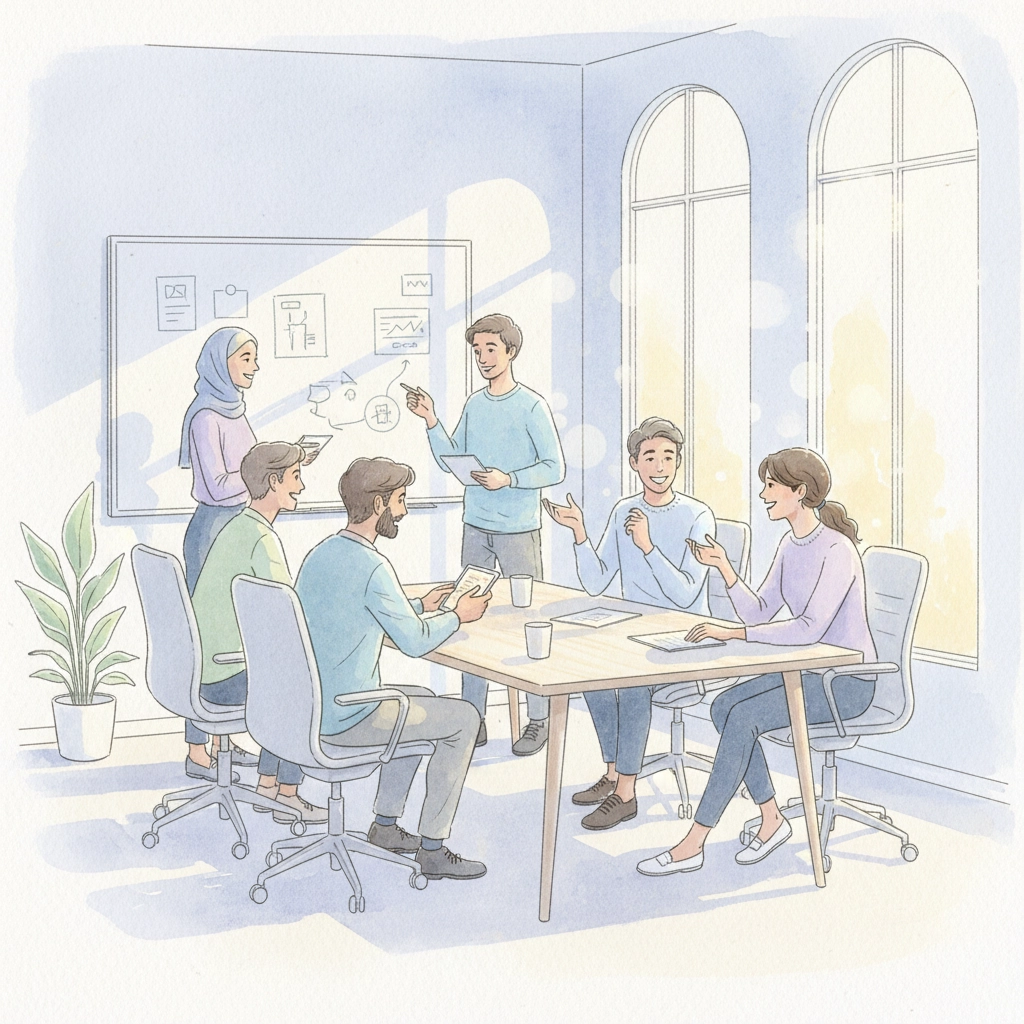
Strengths-based wellness focuses on:
Amplifying existing capabilities rather than fixing perceived deficits
Building on natural talents you've already developed
Creating joy and fulfillment instead of just reducing stress
Fostering authentic connection with colleagues and work
Why LGBTQ Professionals Need a Different Approach
Your experience at work is fundamentally different from your straight, cisgender colleagues. You've likely mastered skills they never needed to develop:
Emotional Intelligence: You've learned to read rooms, understand unspoken dynamics, and navigate complex social situations with finesse.
Adaptability: You've practiced being yourself in some spaces while adjusting in others: this flexibility is a tremendous asset in today's rapidly changing work environments.
Empathy and Inclusion: Your lived experience often makes you exceptionally skilled at creating inclusive environments for others.
Creative Problem-Solving: Finding ways to be authentic while staying safe has required innovative thinking that serves you well in professional challenges.
These aren't consolation prizes for having faced discrimination. They're genuine strengths that make you valuable to any organization.
The Science Behind Strengths-Based Approaches
Research consistently shows that when people use their top strengths daily, they're:
3x more likely to report having an excellent quality of life
6x more likely to be engaged at work
40% more productive in their roles
For LGBTQ professionals specifically, leveraging strengths can buffer against minority stress and create pathways to authentic success rather than just acceptance.

Practical Strategies for Building Your Strengths-Based Wellness Plan
1. Identify Your Unique Strengths Constellation
Start by recognizing the specific strengths you've developed. Ask yourself:
What challenges have I overcome that required creativity or persistence?
What do colleagues consistently come to me for help with?
When do I feel most energized and capable at work?
Common LGBTQ professional strengths include:
Cultural bridge-building: Helping different groups understand each other
Change navigation: Adapting quickly to new policies, teams, or environments
Inclusive leadership: Creating psychological safety for diverse team members
Authentic communication: Speaking truth even in difficult conversations
2. Create Strength-Spotting Rituals
Instead of ending your day by reviewing what went wrong, try this: Each evening, identify three moments where you used your strengths effectively. Write them down. This simple practice rewires your brain to notice success rather than just problems.
3. Build Your Professional Chosen Family
Just as you've likely created chosen family in your personal life, intentionally cultivate supportive professional relationships. This might include:
Mentorship circles with other LGBTQ professionals
Allyship partnerships with supportive colleagues
Sponsorship relationships that help you advance authentically
Your network becomes a strength multiplier, amplifying your capabilities through connection.

4. Practice Courageous Authenticity
This doesn't mean coming out to everyone immediately. Instead, it means gradually bringing more of your whole self to work in ways that feel safe and strategic. Small acts of authenticity build confidence:
Use inclusive language in meetings
Share appropriate aspects of your personal life
Advocate for LGBTQ-inclusive policies
Let your problem-solving style shine through
Each authentic action strengthens your sense of belonging and effectiveness.
5. Reframe Challenges as Strength-Building Opportunities
When you face workplace difficulties, ask: "How can this situation help me develop or demonstrate my strengths?"
Difficult colleague interactions become opportunities to practice your emotional intelligence. Organizational changes become chances to showcase your adaptability. Exclusion becomes motivation to create more inclusive practices for others.
From Surviving to Thriving: A Mindset Shift
The biggest change in strengths-based wellness is moving from a scarcity mindset to an abundance mindset:
Scarcity Thinking: "I need to hide parts of myself to succeed." Abundance Thinking: "My unique perspective makes teams stronger."
Scarcity Thinking: "I should be grateful just to be accepted here." Abundance Thinking: "I deserve to contribute meaningfully and be valued."
Scarcity Thinking: "Success means fitting in perfectly." Abundance Thinking: "Success means bringing my best self to meaningful work."
This shift isn't naive optimism: it's strategic reorientation toward what's possible when you operate from strength rather than fear.
Building Resilience Through Joy
Traditional resilience focuses on bouncing back from adversity. Strengths-based resilience is different: it's about bouncing forward into greater capability and joy.

Create regular "strength-building moments" in your workweek:
Monday Morning Intention: Start each week by choosing one strength to emphasize
Wednesday Wins: Mid-week, celebrate a moment where your unique perspective added value
Friday Reflection: End each week by acknowledging growth and planning how to build on it
These aren't just feel-good exercises: they're practical tools for building the neural pathways that support thriving rather than just surviving.
Making It Sustainable
Strengths-based wellness isn't a one-time transformation: it's an ongoing practice. Here's how to make it stick:
Start small: Choose one strength to focus on for the next month. Perfect that before adding more.
Track progress: Keep a simple log of when you use your strengths and how it affects your energy and effectiveness.
Adjust as needed: Your strengths may evolve as you grow professionally. Stay curious about new capabilities you're developing.
Connect with others: Share your journey with trusted colleagues or join professional LGBTQ networks where you can practice strengths-based thinking together.
Your Strengths Are Your Compass
You've already proven you can survive workplace challenges. Now it's time to discover what thriving looks like for you specifically.
Your unique combination of identity, experience, and strengths creates a professional superpower that no one else possesses. The question isn't whether you're strong enough for your workplace: it's whether your workplace is ready for the full power of who you are.
Start today. Notice one strength you've used recently. Appreciate it. Plan to use it again tomorrow.
You're not just surviving anymore. You're building something beautiful.
Ready to explore how your unique strengths can transform your work experience? Book a consultation to discover your personalized strengths-based wellness plan.
Comments