Stop Wasting Time on Individual Burnout Solutions: Try These 7 Workplace Design Hacks
- Wix Partner Support
- Nov 21, 2025
- 5 min read

You've probably been there. Another wellness seminar. Another stress management workshop. Another reminder to practice self-care while your workplace continues to drain your energy faster than you can replenish it.
Here's the uncomfortable truth: individual burnout solutions are often just band-aids on a much bigger wound. When your work environment is fundamentally broken, no amount of meditation apps or breathing exercises will fix the systemic issues creating your stress.
It's time to flip the script. Instead of asking burned-out employees to fix themselves, what if we fixed the workplace itself?
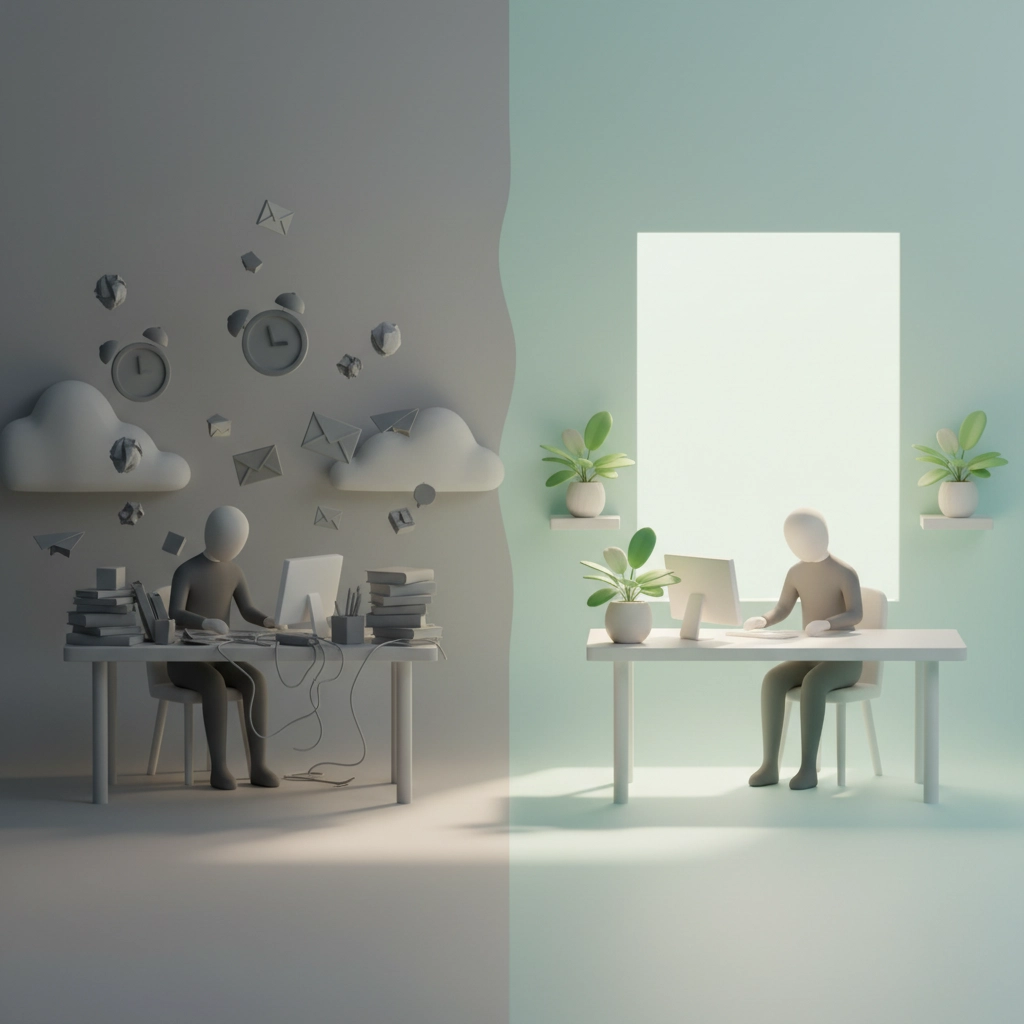
The most effective burnout prevention doesn't happen in therapy sessions or wellness retreats. It happens through thoughtful workplace design that supports your wellbeing from the ground up. When you create environments that naturally reduce stress, boost focus, and honor human needs, burnout becomes much less likely to develop in the first place.
The Real Problem with Individual Solutions
Think about it this way: if your office is noisy, poorly lit, and cramped, no amount of personal resilience training will make you thrive there. You're essentially asking people to overcome their environment through sheer willpower. That's exhausting and unsustainable.
The most successful organizations understand that preventing burnout is a design challenge, not a personal development problem. They create workspaces and work structures that make it easier for people to do their best work without sacrificing their wellbeing.
The 7 Workplace Design Hacks That Actually Work
1. Maximize Natural Light and Bring Nature Indoors
Natural light isn't just nice to have: it's essential for your mental and physical health. Employees with windows in their office get 46 minutes more sleep per night compared to those stuck in windowless spaces. Better sleep means better focus, mood, and resilience.
But natural light is just the beginning. Incorporate biophilic design throughout your workspace. Add plants, natural wood materials, or even views of nature. Some organizations have seen 7-12% productivity increases simply from giving employees a view of trees or gardens.
You don't need a complete renovation. Start with a few potted plants, natural textures, or even nature photography. Your brain craves these connections to the natural world, and your stress levels will thank you.
2. Control the Noise, Control the Chaos
Noise pollution is a silent productivity killer. Workplaces with high noise levels see a 66% reduction in employee performance. That constant background chatter, phone calls, and equipment hum creates a steady stream of stress hormones that wear you down over time.
Design your space with acoustics in mind. Use furniture and materials that absorb sound. Add white noise machines or natural sounds like water features. Create quiet zones where people can focus without interruption.
Even small changes make a difference. Soft furnishings, carpets, and strategic placement of workstations can dramatically reduce noise levels without major construction.
3. Give People Choice in Where and How They Work
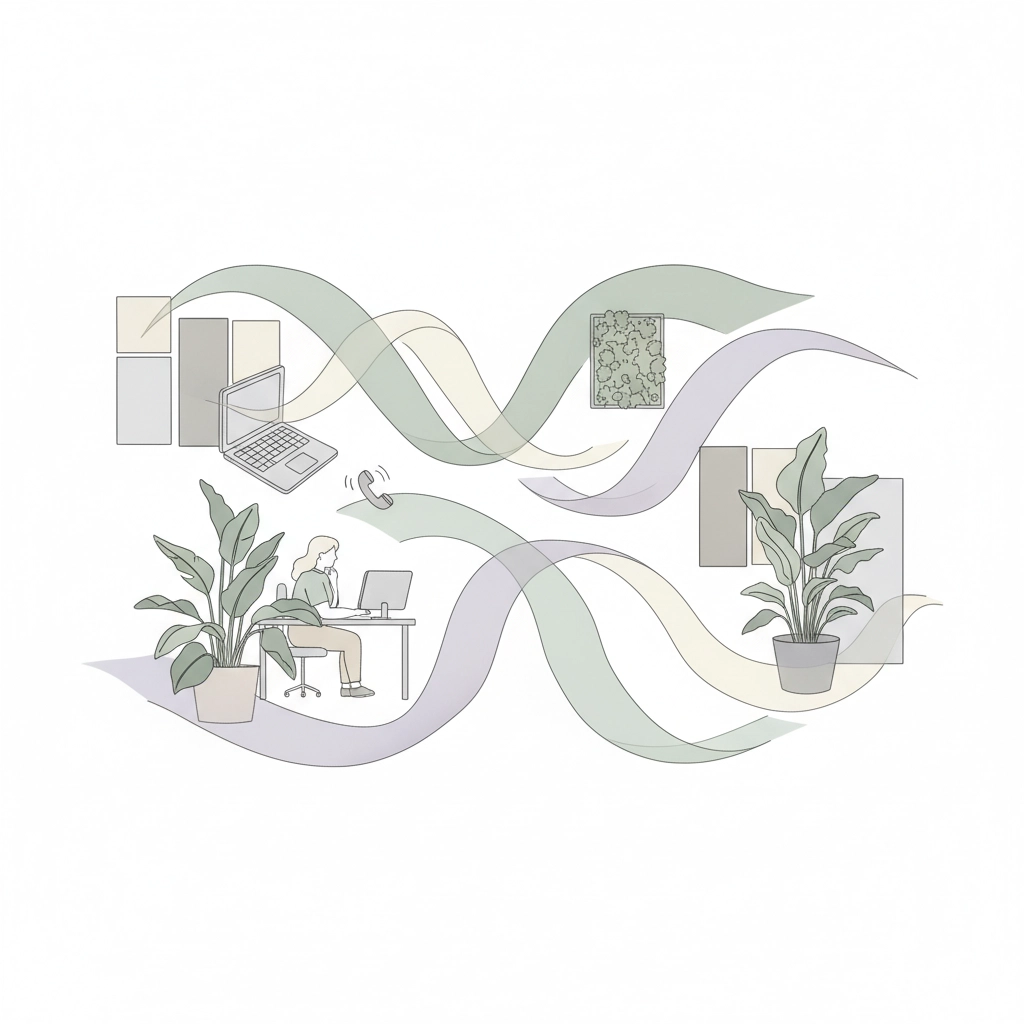
Nobody thrives when they're trapped at the same desk doing the same tasks in the same way every day. Flexibility isn't just about remote work: it's about creating multiple types of workspaces that serve different needs.
Set up quiet focus areas, collaborative spaces, and casual meeting spots. Let people choose where they work based on what they're doing and how they're feeling. This sense of autonomy dramatically reduces stress and increases job satisfaction.
The key is control. When people can adjust their environment: changing their workspace, privacy level, or even just where they sit: they experience significantly lower stress levels. You're honoring their agency instead of treating them like interchangeable parts.
4. Optimize Temperature and Air Quality
Your brain literally works better when you're comfortable and breathing clean air. A 6-degree temperature swing in either direction can decrease performance by 6%. Poor air quality with high CO2 levels can cut cognitive function in half.
Invest in proper climate control and air filtration systems. It's not just about comfort: it's about creating conditions where your brain can actually function at its best. Fresh, oxygen-rich air and comfortable temperatures are basic requirements for peak performance.
If you can't control the whole building's climate, focus on your immediate area. Air purifiers, fans, and even opening windows can make a meaningful difference.
5. Ditch the Gray Cube Aesthetic
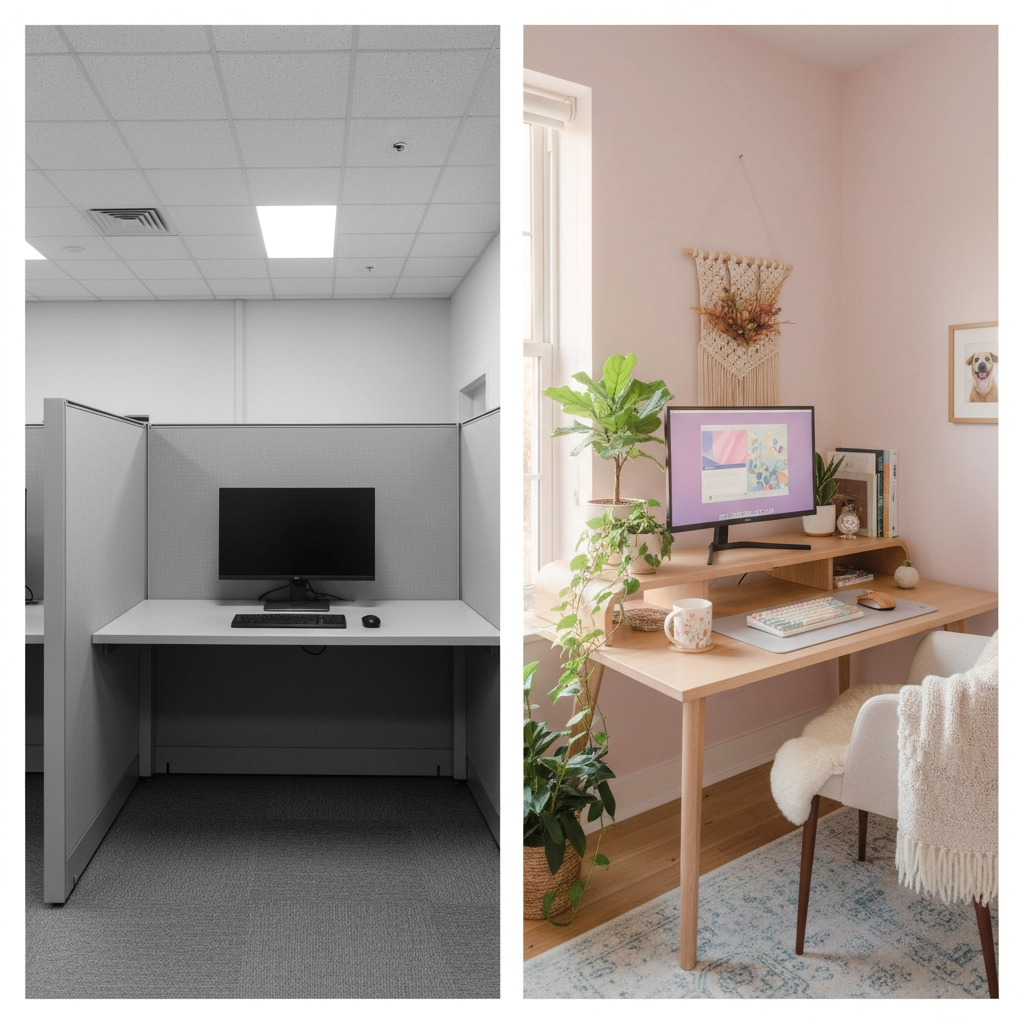
Bland, colorless offices don't just look depressing: they actually depress cognitive function. Your brain needs visual stimulation and variety to stay engaged and energized.
Allow people to personalize their spaces with photos, plants, and meaningful objects. Use colors strategically throughout the workspace. Good lighting and color contrast create environments that energize rather than drain.
This isn't about flashy design. It's about creating spaces that feel human instead of institutional. When your environment reflects personality and warmth, you naturally feel more connected and engaged.
6. Design Spaces for Real Human Connection
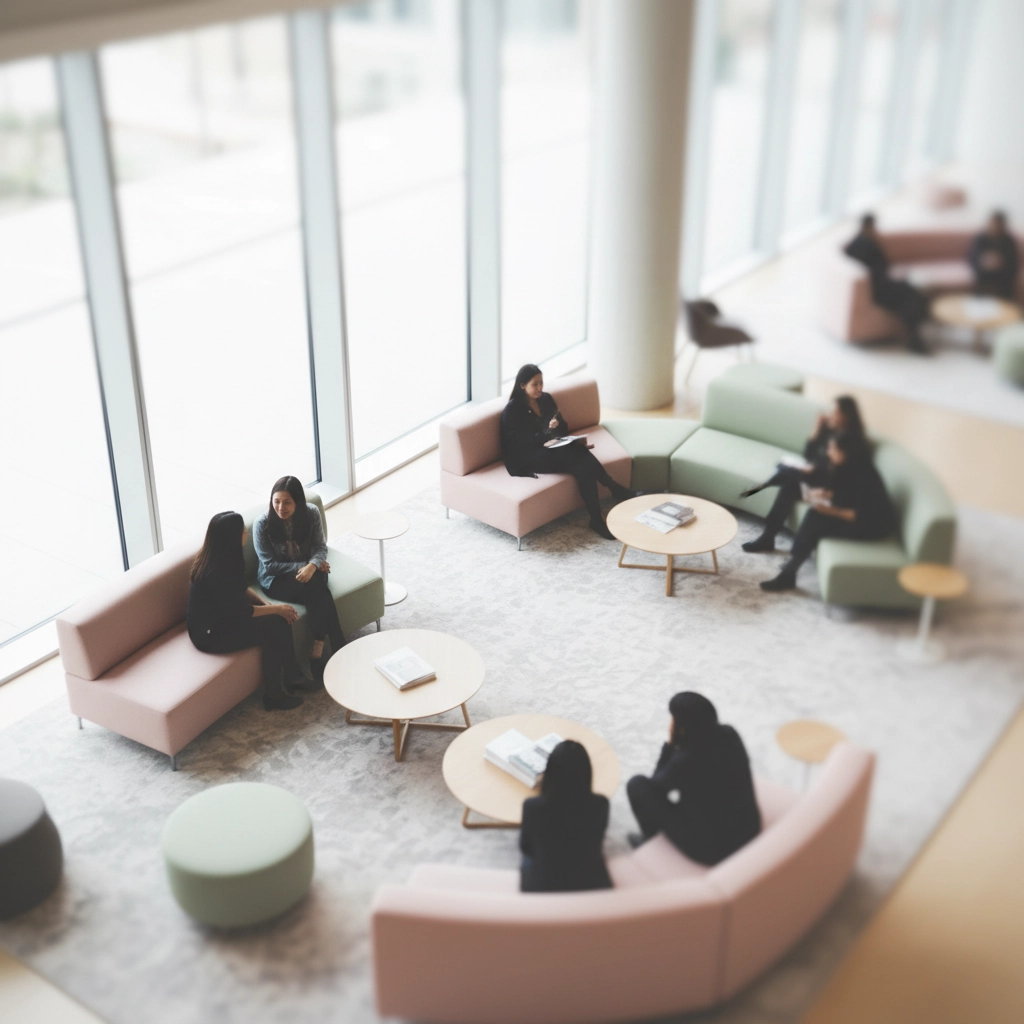
Isolation breeds burnout. People need opportunities to connect, collaborate, and support each other throughout the workday. But these interactions need dedicated, intentionally designed spaces.
Create common areas where people naturally gather: comfortable seating, good lighting, maybe a coffee station or snack area. Design collaborative spaces that encourage real-time communication and idea sharing.
These social connections aren't distractions from work: they're essential for resilience, creativity, and job satisfaction. When people feel connected to their colleagues, they're much more likely to weather stressful periods without burning out.
7. Build Recovery Time into the Work Structure Itself
This is the most important hack: design work rhythms that include natural recovery periods. Don't rely on people to squeeze self-care into already packed schedules. Build it into how work flows.
Schedule high-energy tasks during peak hours. Block out protected time for focused work. Build in transition periods between intense projects. Set realistic deadlines that account for coordination needs and human limitations.
Offer flexible arrangements that let people manage their energy throughout the week. Some days require intense focus; others are better for meetings and collaboration. Honor these natural rhythms instead of forcing everyone into the same rigid schedule.
Why This Approach Actually Works
Here's the fundamental difference: workplace design prevents burnout from developing instead of asking burned-out people to fix themselves after the damage is done.
When your environment naturally supports focus, provides autonomy, and respects human needs, you don't have to work against it all day. You can channel your energy into meaningful work instead of constantly managing stress and discomfort.
This isn't about creating fancy offices or expensive perks. It's about understanding how environmental factors impact human wellbeing and making strategic choices that support your people.
Start Where You Are
You don't need to redesign everything at once. Start by having conversations with your team about how the current environment helps or hinders their work. Ask where they feel supported and where they feel drained.
Pick one or two areas to focus on first. Maybe it's adding plants and improving lighting. Maybe it's creating a quiet zone or allowing more flexible work arrangements. Small changes compound over time.
The most important shift is philosophical: stop treating burnout as a personal failing that individuals need to overcome. Start treating it as a design challenge that organizations need to solve.
Your people aren't broken and don't need fixing. Your workplace might need some thoughtful adjustments to truly support the humans who make it run.
Remember: you deserve to work in an environment that energizes rather than depletes you. Creating that environment isn't selfish or unrealistic; it's smart business and basic human dignity.
Comments