Intuition Speaks to You in Statements, Anxiety Speaks in Questions: How to Tell the Difference
- Wix Partner Support
- Oct 22, 2025
- 5 min read

Ever find yourself lying awake at night, heart racing, wondering if you should take that new job, end that relationship, or make a big life change? Your mind churns with endless "what ifs" while somewhere deeper, a quieter voice seems to already know the answer.
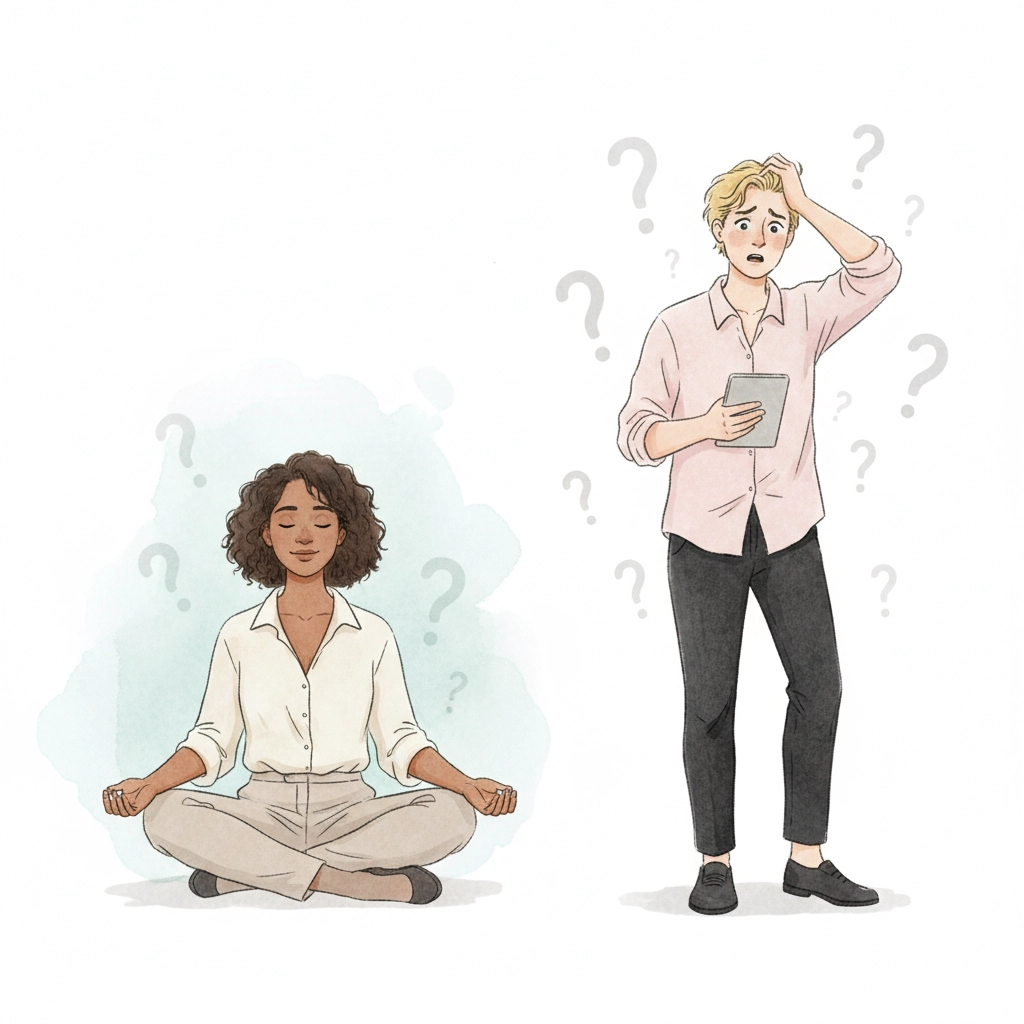
Here's the thing: Intuition speaks to you in statements. Anxiety speaks to you in questions.
Learning to tell the difference between these two inner voices can be life-changing, especially when you're navigating career transitions, workplace challenges, or major life decisions. Let's break down how to recognize which voice is actually speaking.
How Your Inner Voices Communicate Differently
When Intuition Speaks
Intuition delivers clear, direct statements that feel certain without needing extensive analysis. You'll hear things like:
"This isn't right for you."
"Trust this person."
"It's time to leave."
"Say yes to this opportunity."
These messages arrive as calm, grounded statements that don't ask for your permission or approval. Intuition doesn't debate with you: it simply informs you of what it knows. Even when the message feels uncomfortable or challenging, it carries a quality of quiet certainty.
When Anxiety Takes Over
Anxiety operates through endless loops of questioning and catastrophizing. Instead of clear direction, you get bombarded with:
"What if this goes wrong?"
"What will people think?"
"Am I making a huge mistake?"
"What if I can't handle this?"

Notice how anxiety never actually provides answers: it just generates more questions. These thoughts feel urgent and demanding, creating pressure to figure everything out right now or something terrible will happen.
The Physical Difference You Can Actually Feel
Your body holds crucial clues about whether you're experiencing intuition or anxiety.
Intuition's Physical Signals:
A gentle settling in your chest or stomach
A quiet sense of ease, even with difficult decisions
Relaxed breathing
A feeling of expansion or opening
Calm alertness without tension
Anxiety's Physical Warnings:
Racing heart or irregular breathing
Tension in your jaw, shoulders, or stomach
Restlessness or jittery energy
A sense of contraction or closing off
Physical urgency that demands immediate action
Think of it this way: intuition feels like a wise friend gently placing a hand on your shoulder. Anxiety feels like someone shaking you awake in a panic.
Why This Matters for LGBTQ+ Professionals
If you're part of the LGBTQ+ community, learning to distinguish between intuition and anxiety becomes even more crucial. You've likely developed finely tuned internal radar for unsafe situations: but sometimes this protective mechanism can go into overdrive.
Anxiety might ask: "What if coming out at work ruins my career?" while intuition might quietly state: "This workplace isn't safe for your authentic self."
The difference? Anxiety spirals into worst-case scenarios. Intuition provides clear information you can act on.

When you're considering a career change, relationship shift, or any major transition, your anxiety will flood you with questions about everything that could go wrong. Your intuition, meanwhile, already knows what feels aligned with your authentic self: it just states it calmly and waits for you to listen.
Practical Ways to Tell Them Apart
Check Your Mental State
Chaos and racing thoughts create perfect conditions for anxiety to flourish. When your mind is spinning, you're likely hearing anxiety's questioning voice. Intuition emerges more clearly when you're calm and centered.
Try this: Take five deep breaths and notice if the internal noise shifts from frantic questioning to clearer, more grounded awareness.
Notice the Specificity
Intuition gives you particular guidance about particular situations. It's specific and situational. Anxiety tends toward vague, generalized worry that recycles through similar fears.
Ask yourself: Is this message about a specific situation and action, or is it broad worry that could apply to almost anything?
Observe the Tone
Intuition speaks in a quiet, grounded tone that rarely feels urgent (unless you're in genuine physical danger). It's patient and doesn't demand immediate action.
Anxiety shouts in urgent, intrusive tones, creating artificial deadlines and pressure to decide right now.
Practice the Morning Check-In
The moments right after you wake up, before your mind becomes fully active, offer the clearest access to intuition. Pull in a question you're wrestling with and notice what arises in that quiet space. These early insights tend to be more trustworthy than the anxious second-guessing that often comes later in the day.
When You're Facing Burnout or Major Transitions
If you're experiencing burnout or considering a major life change, both intuition and anxiety will have plenty to say. Here's how to sort through the noise:
Burnout Often Amplifies Anxiety
When you're exhausted and overwhelmed, anxiety's questioning voice gets louder and more persistent. Everything feels urgent and catastrophic. This is when learning to recognize intuition's calmer statements becomes essential for making decisions that actually serve you.
Transition Triggers Both Voices
Major changes activate both your intuitive wisdom and your anxiety's protective questioning. The key is learning which voice to follow for which decisions.
Anxiety asks: "What if I can't find another job? What if I fail? What if people judge me?"
Intuition states: "This path no longer fits. It's time for something different. Trust the next step, even if you can't see the whole staircase."
Building Your Intuition Muscle
Create Regular Stillness
Intuition emerges more clearly when you're not constantly busy or stimulated. Regular periods of quiet: whether through meditation, nature walks, or simply sitting without distraction: help you tune into your inner wisdom.
Practice Detachment from Outcomes
When you're heavily invested in a particular result, you cloud your intuitive clarity with emotional noise. Work on being present with decisions without anxiously controlling outcomes.
Start with Small Decisions
Practice distinguishing between intuition and anxiety on lower-stakes choices first. Which route to take home? What to have for lunch? Which friend to call? These smaller moments help you recognize the different qualities of each voice.

Trust the Process
Learning to differentiate between intuition and anxiety is a skill that develops over time. Be patient with yourself as you practice. Sometimes you'll mistake one for the other, and that's completely normal.
The Bottom Line
Your intuition speaks in calm, clear statements that feel grounded even when they're challenging. Your anxiety speaks in urgent, repetitive questions that create more confusion than clarity.
Both voices serve important purposes: anxiety can alert you to genuine concerns, while intuition guides you toward authentic choices. The key is learning when to listen to each one.
Next time you're facing a decision and your mind starts spinning, pause and ask yourself: Am I hearing statements or questions? Is this voice calm or frantic? Does this feel like wisdom or worry?

Your authentic self already knows what feels right. Intuition is simply the quiet voice that reminds you of what you already know deep down.
Start small. Pay attention. Trust the process.
Your inner wisdom is always available: it's just waiting for you to quiet the anxious questioning long enough to hear its simple, clear statements.
Comments