How to Create Psychological Safety During the Holidays in 10 Minutes Without Compromising Your Authentic Self
- Wix Partner Support
- Nov 11, 2025
- 5 min read

The holidays can feel like walking through a minefield when you're an LGBTQ+ professional. You're navigating family dynamics that might not fully accept you, workplace celebrations where you're unsure how much of yourself to share, and the pressure to be "festive" when you might be feeling anything but joyful.
Here's the thing: psychological safety isn't something that happens to you. It's something you actively create, starting with yourself.
And you can begin building it in just 10 minutes.
What Psychological Safety Really Means During the Holidays
Psychological safety is the confidence that you can be yourself without fear of negative consequences. During the holidays, this becomes especially complex for LGBTQ+ folks who might be code-switching between different versions of themselves depending on the setting.
But creating psychological safety doesn't mean you have to come out to everyone or have difficult conversations with every family member. It means creating pockets of authenticity and protection that honor who you are, even in challenging spaces.
The 10-Minute Framework: Three Quick Wins
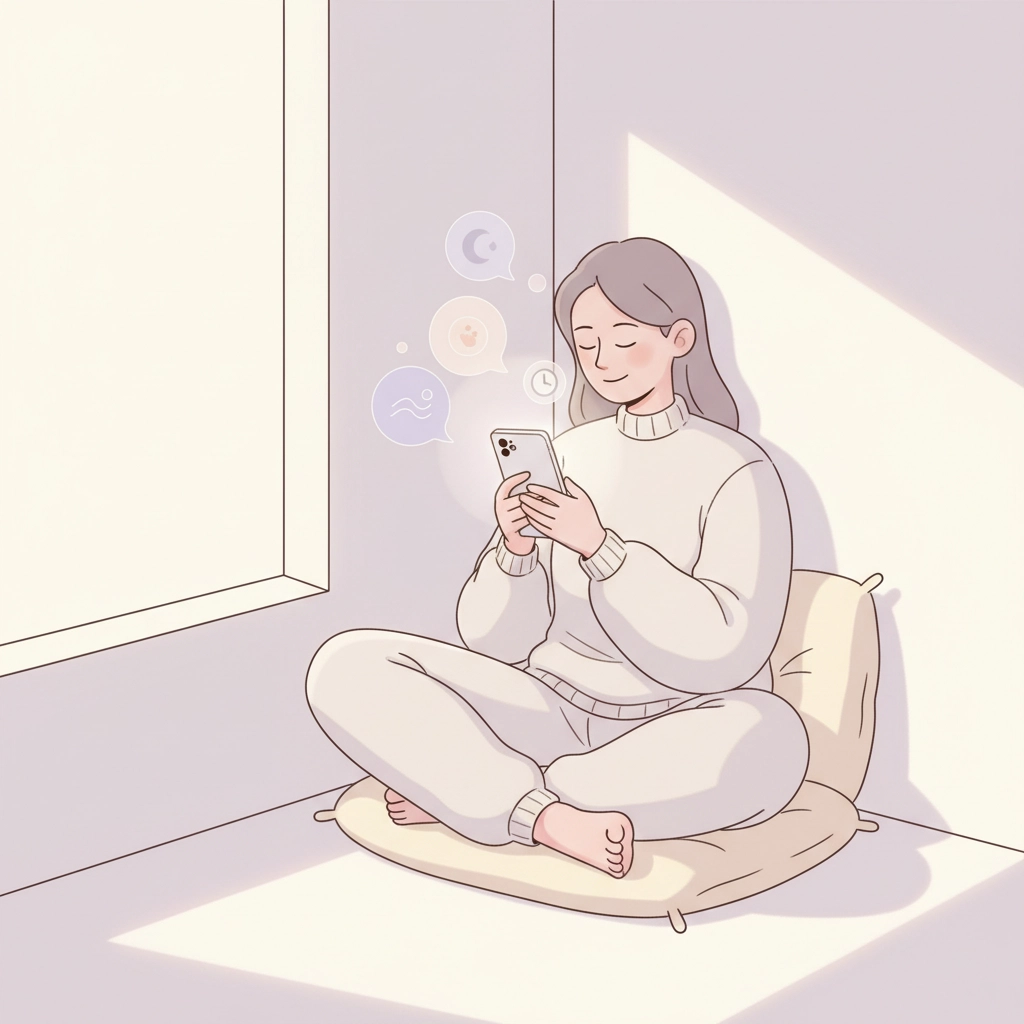
Win #1: The Boundary Text (3 minutes)
Right now, grab your phone. Think of one holiday situation that's been causing you stress – maybe it's the office party where colleagues ask about your "dating life," or the family dinner where you feel pressured to bring a plus-one.
Send one honest text or email setting a clear boundary:
"I'm planning to leave the holiday party by 8 PM to recharge"
"I won't be discussing my personal life at family dinner this year"
"I'm taking some quiet time for myself on Christmas morning"
You're not explaining or justifying. You're simply stating what works for you. This single act of authentic communication creates immediate psychological safety because you've honored your truth instead of performing what others expect.
Win #2: The Ally Check-In (4 minutes)
Identify one person in your life who truly sees and supports you. Send them a quick message: "The holidays are feeling heavy this year. Can I check in with you if I need support?"
Having this lifeline established ahead of time means you won't be scrambling for connection when you're feeling isolated or overwhelmed. Whether it's a chosen family member, a trusted colleague, or a friend who gets it, knowing you have backup creates instant psychological safety.
If you can't think of anyone in your immediate circle, consider reaching out to LGBTQ+ professional groups or communities online. Sometimes the safety we need exists just outside our current sphere.

Win #3: The Energy Audit (3 minutes)
Take three minutes to honestly assess where your energy goes during the holidays. Write down:
One thing that genuinely brings you joy this season
One tradition or obligation that drains you
One small change you can make to tip the balance
Maybe you love decorating but hate hosting. Maybe you enjoy giving gifts but stress about receiving them. Maybe you find peace in volunteer work but dread family gatherings.
Psychological safety means honoring these truths about yourself, not fighting against them.
Creating Safety in Holiday Work Situations
The workplace during the holidays can be particularly tricky for LGBTQ+ professionals. You might be the only openly queer person on your team, or maybe you're not out at work at all.
Here's how to create micro-moments of psychological safety:
Reframe the personal questions. When someone asks, "Are you bringing anyone to the holiday party?" you can respond with, "I'm still figuring out my plans" instead of feeling pressured to explain your relationship status or family structure.
Create inclusive language. If you're in a leadership position, use phrases like "chosen family," "loved ones," or "important people in your life" instead of assuming everyone has traditional family structures.
Honor your capacity. If planning the office holiday party feels overwhelming on top of navigating your own family dynamics, it's okay to say, "I'd love to help in a smaller way this year."
The goal isn't to hide who you are. It's to protect your energy so you can show up authentically where it matters most.

Navigating Family Dynamics While Staying True
Family gatherings can be the most challenging spaces to maintain psychological safety. You might be dealing with relatives who don't understand your identity, microaggressions disguised as concern, or the exhausting work of constantly educating others.
Remember: you don't owe anyone a performance of who they think you should be.
Some strategies that take just minutes to implement:
The bathroom reset. Excuse yourself for a few minutes to breathe, ground yourself, or text your support person. These mini-breaks help you stay connected to yourself when conversations get difficult.
The gratitude redirect. When someone makes a comment that stings, you can acknowledge it briefly and redirect: "I appreciate your concern. I'm really grateful for [something genuine about your life]." This isn't about avoiding conflict – it's about not letting other people's discomfort derail your inner peace.
The early exit plan. Have transportation and a realistic timeframe planned before you arrive anywhere. Knowing you can leave creates the psychological space to actually be present while you're there.
When Authenticity Feels Risky
Let's be real: sometimes being your authentic self during the holidays does feel risky. Maybe your job security depends on staying closeted. Maybe family relationships are fragile. Maybe you're not ready for certain conversations.
Psychological safety doesn't mean ignoring these realities. It means creating protection within them.
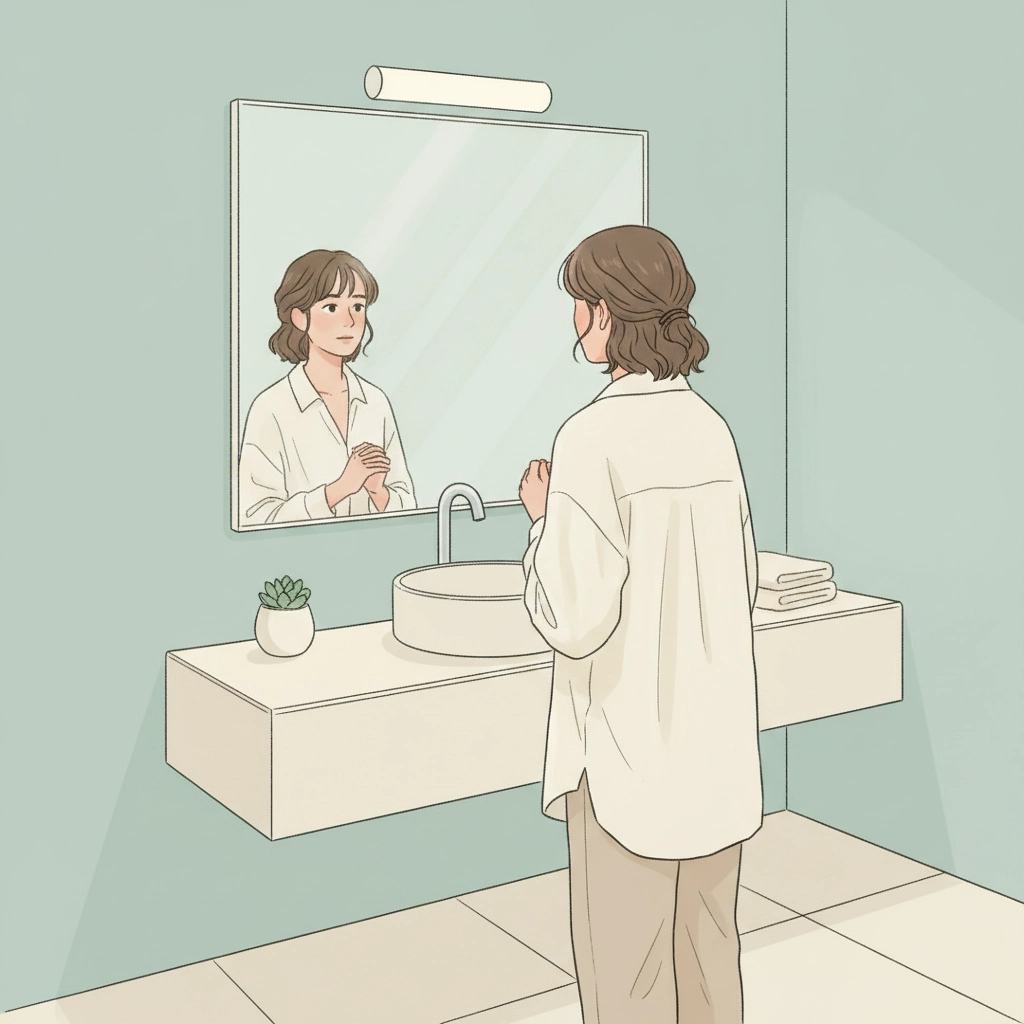
You can be authentic about your need for boundaries without being authentic about everything. You can honor your energy without explaining all your reasons. You can protect your peace without having to educate everyone around you.
Authenticity isn't an all-or-nothing game. It's a practice of staying connected to yourself while navigating the world as it is, not as you wish it were.
The Ripple Effect of Self-Protection
When you create psychological safety for yourself – even in small, 10-minute increments – you're modeling something powerful for others. You're showing the LGBTQ+ young people in your life that their authenticity matters. You're demonstrating to colleagues that professional boundaries are healthy. You're proving to yourself that your wellbeing is worth protecting.
The holidays don't have to be a time when you shrink or perform or exhaust yourself trying to make everyone else comfortable. They can be a time when you practice the radical act of taking up space as exactly who you are.
Your Next 10 Minutes
You have everything you need to start creating psychological safety right now. Pick one of the strategies above and try it today. Send that boundary text. Reach out to that supportive person. Take that honest inventory of your energy.
Creating psychological safety isn't about fixing everything at once. It's about taking one small, authentic action that honors who you are and what you need.
The holidays are temporary. But the practice of protecting your authenticity? That's a gift you give yourself that lasts all year long.
Your psychological safety matters. Your authenticity matters. And you don't need anyone's permission to start creating both, right now, in just 10 minutes.
Comments