How to Create Proactive Mental Wellness in 5 Minutes Without Sacrificing Your Executive Career Goals
- Wix Partner Support
- Jan 2
- 5 min read

You're juggling back-to-back meetings, deadline pressures, and the weight of making decisions that impact your entire organization. When someone mentions "mental wellness," you probably think of hour-long meditation retreats or elaborate self-care routines that feel impossible to fit into your already packed schedule.
Here's the truth: You don't need hours to create meaningful mental wellness. You need five minutes.
And here's the even better news: These five minutes won't steal from your career success: they'll fuel it.
The Time Trap That's Keeping You Stuck
Most executives believe they have to choose between career advancement and mental wellness. This false choice has you running on empty, making decisions from a place of depletion rather than clarity.
But what if the opposite were true? What if those few minutes of intentional wellness were actually your secret weapon for peak performance?
Research from the Center for Creative Leadership shows that wellness techniques requiring no more than 20 minutes a day: often as few as 3 minutes: can dramatically improve executive decision-making and stress resilience. You're not sacrificing career goals when you prioritize wellness. You're protecting them.

The 5-Minute Mental Wellness Formula
Let's break down exactly what proactive mental wellness looks like in five minutes or less. These aren't fluffy feel-good activities: they're research-backed strategies that busy leaders use to maintain peak cognitive function.
The 1-Minute Reset: Mindful Breathing
When you're feeling overwhelmed or facing a difficult decision, your nervous system needs a reset. Here's how to do it in sixty seconds:
Find a comfortable position (even at your desk)
Close your eyes or soften your gaze
Breathe in for 4 counts, hold for 4, exhale for 6
Repeat this pattern 3-4 times
This simple breathing technique activates your parasympathetic nervous system, moving you from reactive mode to responsive mode. Use it before important meetings, difficult conversations, or when you feel stress building up.
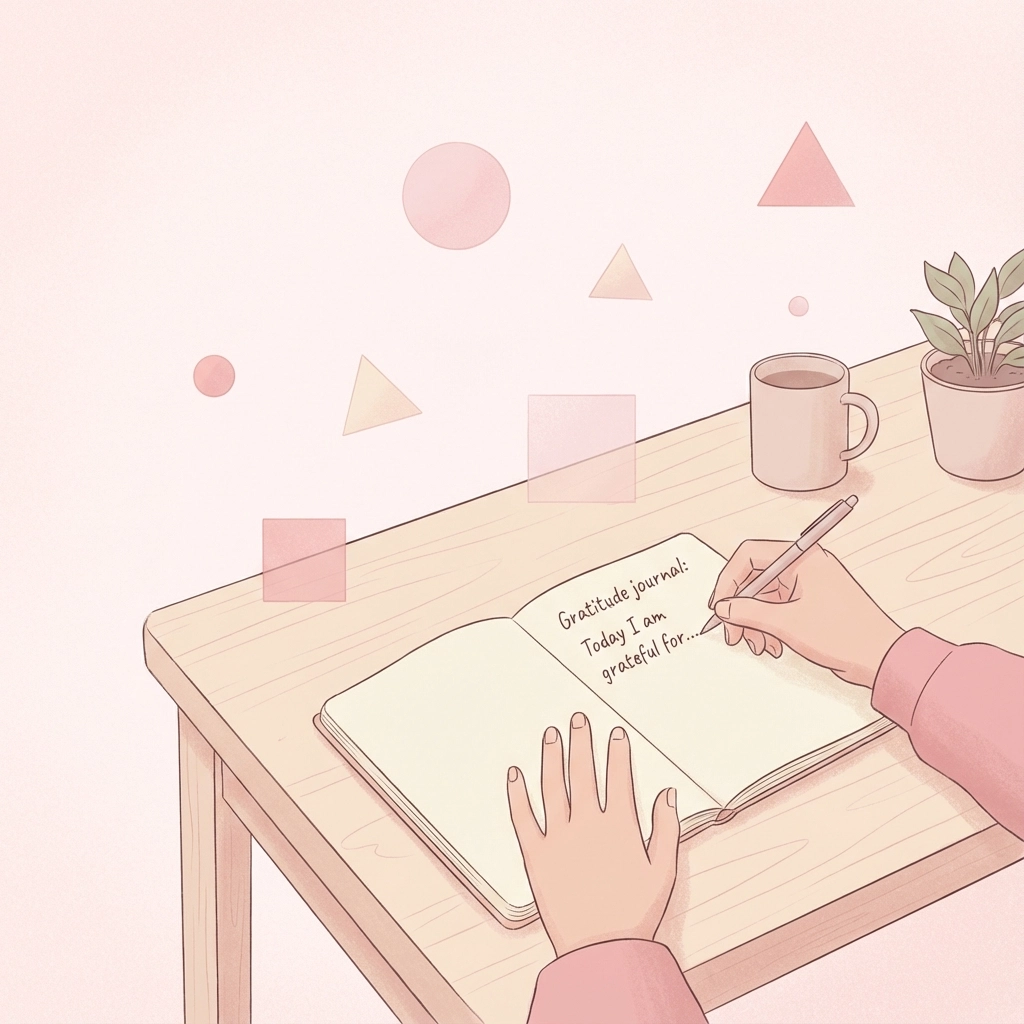
The 3-Minute Gratitude Practice: Rewiring Your Brain for Success
Your brain is naturally wired to focus on problems: it's how we survive. But as a leader, you need to train your brain to also recognize opportunities and strengths.
Each morning or evening, write down three things you're grateful for:
One personal accomplishment from the day
One positive interaction with your team
One opportunity or possibility you're excited about
This isn't about toxic positivity. It's about training your brain to notice the full picture, which improves decision-making and creative problem-solving.
The 5-Minute Movement Break: Energizing Your Executive Presence
Physical movement isn't just good for your body: it's essential for cognitive function and emotional regulation. You don't need a gym. You need intentional movement:
Take a walking meeting with yourself
Do desk stretches while reviewing emails
Walk to a colleague's office instead of calling
Step outside for fresh air and a brief walk
Five minutes of movement immediately reduces stress hormones, increases focus, and boosts creative thinking. It's not time away from work: it's preparation for better work.

Why This Actually Accelerates Your Career Goals
You might be thinking, "This sounds nice, but I have real deadlines and real pressure." Let's talk about why these five-minute investments actually make you more successful, not less.
Enhanced Decision-Making Under Pressure
When you're operating from a state of chronic stress, your prefrontal cortex: the part of your brain responsible for executive functions: goes offline. Those breathing exercises and movement breaks? They're bringing your best thinking back online.
Leaders who practice brief wellness rituals sustain peak mental performance throughout the day. You make better decisions, communicate more clearly, and respond to challenges with greater creativity.
Modeling Leadership That Builds Stronger Teams
When your team sees you taking intentional wellness breaks, you're giving them permission to do the same. This isn't weakness: it's modeling sustainable high performance.
Teams led by executives who prioritize brief wellness practices report:
Higher engagement and morale
Better problem-solving capabilities
Lower burnout and turnover rates
More innovative thinking
Protecting Your Long-Term Career Sustainability
Executive burnout isn't just a personal cost: it's a career risk. When you're running on empty, you're more likely to make poor decisions, have interpersonal conflicts, and miss strategic opportunities.
These five-minute practices aren't just about feeling better in the moment. They're about ensuring you can maintain peak performance for the long haul.

Making It Work in Your Real Schedule
The biggest barrier to implementing these practices isn't time: it's the belief that you don't deserve the time. Let's address this head-on and create a practical implementation plan.
Schedule It Like a Business Meeting
Block five-minute wellness breaks in your calendar and treat them as non-negotiable appointments. Label them however feels right: "Executive Preparation," "Strategic Thinking," or simply "Wellness Break."
Stack It With Existing Habits
Attach your wellness practices to things you already do:
Breathing exercise before your first meeting
Gratitude practice while your computer boots up
Movement break between conference calls
Mindful moment before checking emails
Start Smaller If You Need To
If five minutes feels like too much, start with two. If two minutes feels overwhelming, start with thirty seconds. The goal is consistency, not perfection.
One executive shared with us: "I started with three deep breaths before important decisions. That thirty-second practice eventually grew into a five-minute morning routine that completely changed how I show up as a leader."
What About When You're "Too Busy"?
Here's what we hear from executives all the time: "This sounds great for normal days, but what about when everything is on fire?"
Those are exactly the days when you need these practices most.
When you're in crisis mode, your nervous system is flooded with stress hormones. Taking even one minute to breathe or move isn't time away from solving the problem: it's ensuring your brain can actually solve the problem effectively.
High-performing executives understand this counterintuitive truth: The busier you are, the more essential these brief wellness breaks become.
Creating Your Personal Wellness Protocol
Every executive needs a personalized approach. Here's how to design your five-minute wellness protocol:
Morning Option:
2 minutes: Breathing exercise
3 minutes: Gratitude practice or intention setting
Midday Option:
5 minutes: Walking break or desk stretches
Use transition time between meetings for brief breathing
End-of-Day Option:
3 minutes: Gratitude reflection
2 minutes: Mindful breathing to transition from work mode
Choose one that fits your natural rhythms and existing schedule. You can always add more later.
The Ripple Effect of Your Five Minutes
When you commit to proactive mental wellness, you're not just improving your own performance. You're creating a ripple effect throughout your organization.
Your team notices when you're more present, more thoughtful, and more resilient. They see that sustainable high performance is possible. They learn that taking care of themselves isn't selfish: it's strategic.
This is leadership in action. Not just achieving results, but modeling a way of achieving results that honors both performance and wellbeing.
Your Next Five Minutes Start Now
You don't need to overhaul your entire life to create meaningful mental wellness. You need five intentional minutes and the understanding that caring for yourself is caring for your career.
Start today. Choose one practice. Set a timer for five minutes. Notice what happens to your energy, clarity, and presence.
You are not a machine. Peak performance requires both output and restoration. Those five minutes aren't a luxury: they're a leadership necessity.
Your career goals and your mental wellness aren't competing priorities. They're collaborative partners in creating the sustainable success you're working toward.
Take the five minutes. Your future self: and your team( will thank you.)
Comments