How to Create Intersectional Coaching Programs in 10 Minutes Without Losing Your Corporate Budget
- Wix Partner Support
- Oct 21, 2025
- 4 min read

You're staring at another diversity initiative request. The budget's tight, time's even tighter, and honestly? You're not sure where to start with "intersectional coaching."
Sound familiar? You're not alone.
Most executives and HR leaders want to create inclusive programs that actually work: not just check boxes. But traditional coaching approaches often miss the mark for LGBTQ+ professionals, people of color, and anyone navigating multiple identities at work.
Here's the truth: You don't need a PhD in social justice or a six-figure budget to create meaningful change. You just need the right framework.
What Intersectional Coaching Actually Means (Simplified)
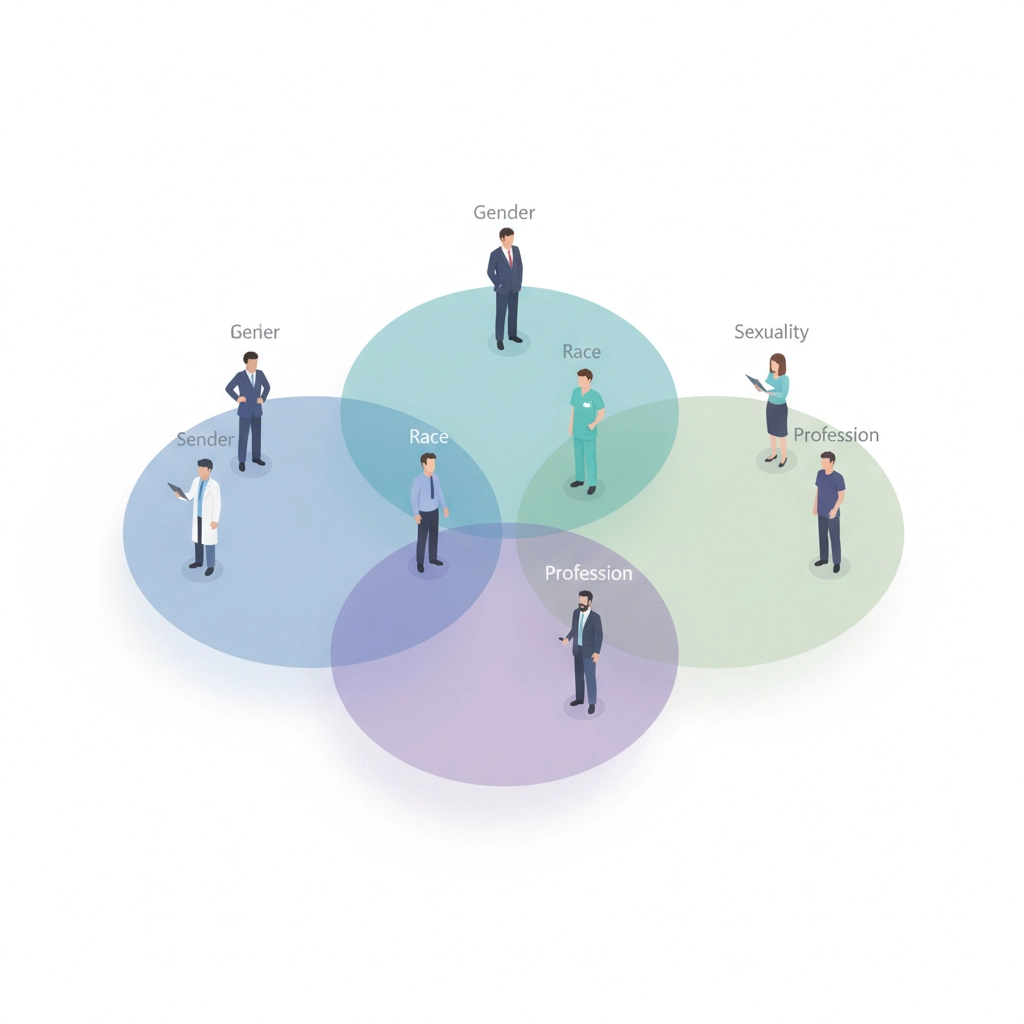
Forget the academic jargon. Intersectional coaching is simply coaching that recognizes people aren't just "professionals": they're whole humans with layered identities.
Your LGBTQ+ executive isn't just dealing with leadership challenges. They might also be navigating coming out at work, managing code-switching fatigue, or handling microaggressions from clients.
Your therapist of color isn't just burning out from client load. They might be carrying the emotional labor of being the only person of color in their practice while dealing with imposter syndrome.
Intersectional coaching sees the full picture. It asks: What else is happening here that traditional coaching might miss?
The 10-Minute Framework: Your Quick Start Guide
Ready to build this? Set a timer. Let's go.
Minutes 1-3: Identify Your Core Intersections
Don't try to address every possible identity. Start with the top 2-3 intersections in your workplace:
LGBTQ+ professionals navigating visibility and authenticity
People of color managing workplace bias and belonging
Women in leadership dealing with gender dynamics
Neurodivergent employees needing different support structures
Pick the intersections that show up most in your exit interviews, employee surveys, or coaching requests.
Minutes 4-6: Choose Your Delivery Method
Budget-friendly options that actually work:
Group Cohorts ($1,500-$3,000 per program)
4-6 participants with shared intersectional experiences
6-week series, 90 minutes each session
Peer learning reduces facilitator time
Lunch & Learn Series ($500-$1,000 per session)
Monthly 45-minute sessions
Rotate topics based on intersectional themes
Use internal facilitators after initial training
Hybrid Programs ($800-$2,500 total)
Pre-recorded modules for foundational content
2-3 live sessions for discussion and application
Participants move at their own pace
Minutes 7-10: Build Your Safety-First Structure
Every intersectional program needs these non-negotiables:
Confidentiality agreements that everyone signs
Brave space guidelines (not just "safe" space)
Exit ramps for participants who need to step back
Multiple ways to participate (speaking, chat, written reflection)
Choose one structure. Lock it in. Move forward.
Budget-Friendly Implementation Strategies
Start With What You Have
You already have resources. Use them:
Employee Resource Groups can co-facilitate sessions
Existing meeting rooms become program spaces
Current coaching budget can be redirected, not expanded
Internal subject matter experts reduce external facilitator costs
The 80/20 Rule for Content
Focus on the 20% of intersectional awareness that creates 80% of the impact:
High-Impact Topics:
Microaggression response strategies
Code-switching and authenticity at work
Building psychological safety across differences
Navigating visibility and coming out decisions
Skip the theoretical deep-dives. Focus on practical skills people can use immediately.

Leverage Technology Without Breaking the Bank
Free/Low-Cost Tools:
Zoom or Teams for virtual sessions
Google Forms for anonymous feedback and session planning
Slack or Teams channels for ongoing peer support
Canva for simple program materials
Budget Hack: Partner with local LGBTQ+ organizations or diversity consultants. Many offer sliding scale rates or pro bono sessions for pilot programs.
Making It Sustainable (Not Just a One-Time Thing)
Train Internal Champions
Don't rely on external facilitators forever. Identify 2-3 employees who can become internal intersectional coaching champions:
Offer them additional training (budget: $500-$1,500 per person)
Create simple facilitation guides they can follow
Support them with monthly check-ins and resources
Build Feedback Loops
Track what actually matters:
Pre/post program surveys measuring psychological safety
Retention rates for participants from marginalized groups
Internal referral rates to coaching programs
Qualitative feedback about workplace belonging
Skip the complex ROI calculations. Focus on stories and real behavior changes.
Create Program Alumni Networks
Your first cohort becomes your program ambassadors:
Monthly alumni check-ins (30 minutes max)
Peer mentoring opportunities
New participant orientation support
Success story documentation
Common Pitfalls (And How to Avoid Them)
Pitfall #1: Trying to be the expert on every intersectionSolution: Acknowledge what you don't know. Create space for participants to educate each other.
Pitfall #2: Making it too corporate and sanitized Solution: Allow real talk. Brave spaces require honest conversations about discrimination and bias.
Pitfall #3: Focusing only on individual fixesSolution: Address systemic issues too. What policies or practices need to change?
Pitfall #4: One-size-fits-all approachesSolution: Offer multiple participation styles and respect different comfort levels with sharing.

Your Next 48 Hours: Getting Started
Stop overthinking. Start acting.
Today:
Pick your top 2 intersections to focus on
Send an informal email to 5-10 employees asking about interest
Block 2 hours on your calendar next week for program planning
Tomorrow:
Draft your program outline using the 10-minute framework
Research 2-3 potential external facilitators or partner organizations
Calculate your realistic budget range
This Week:
Pilot your first 90-minute session with a small group
Collect immediate feedback and adjust
Plan your next session based on what you learned
The Real ROI: Beyond the Numbers
Here's what happens when you get intersectional coaching right:
Your LGBTQ+ employees stop leaving after 18 months. Your employees of color start applying for leadership roles. Your neurodivergent team members contribute ideas they've been holding back.
You create a workplace where people bring their full selves: not just the parts they think are "acceptable."
That's not just good for retention metrics. It's good for innovation, creativity, and actual business results.
Ready to Make Waves?
Intersectional coaching isn't about perfection. It's about progress. It's about seeing your people fully and creating space for them to thrive as themselves.
You have 10 minutes. You have a budget. You have employees who need this.
What's stopping you from starting today?
Your people are waiting. Not for the perfect program, but for a leader brave enough to try something different.
Comments