How to Create Emotional Resilience in 5 Minutes Without Sacrificing Your Values
- Wix Partner Support
- Sep 15, 2025
- 5 min read

Let's be real: you're busy. Whether you're leading a team, managing clients, or navigating the unique challenges that come with being an LGBTQ+ professional, finding time for emotional wellness can feel impossible. But what if I told you that building genuine emotional resilience doesn't require hour-long meditation sessions or abandoning your authentic self?
The truth is, your brain is designed to respond beautifully to small, consistent practices. Just five minutes of intentional emotional training can literally rewire your neural pathways, creating lasting resilience without compromising who you are or what you stand for.
Why Quick Practices Actually Work Better
Here's something that might surprise you: your brain responds more effectively to brief, daily practices than sporadic lengthy sessions. When you consistently spend just five minutes on emotional resilience, you're working with your brain's natural neuroplasticity: its ability to form new neural connections throughout your life.
Think of it this way: would you rather do 100 push-ups once a month or five push-ups every day? Your emotional muscles work the same way. A two-minute practice completed daily literally changes your brain's architecture more than a 30-minute session you manage only when you're already overwhelmed.
This is especially important for LGBTQ+ professionals who often carry additional emotional labor. You deserve resilience strategies that fit into your real life, not ones that add more pressure to your already full plate.

The 5-Minute Morning Foundation That Changes Everything
Your morning sets the emotional tone for your entire day. Here's a simple sequence that takes exactly five minutes and works whether you're a therapist seeing your first client or an executive heading into back-to-back meetings.
Start with a 60-second emotional temperature check. Before you even get out of bed, close your eyes and simply notice what emotions are present. Don't judge them, don't try to change them: just acknowledge them. "I'm feeling anxious about that presentation" or "I'm excited about today's possibilities." This builds self-awareness, which is the foundation of emotional intelligence.
Next, spend three minutes on intentional breathing. Count four counts in, hold for two, exhale for six. This isn't just relaxation: you're actively engaging your parasympathetic nervous system, creating a calm baseline that helps you respond rather than react throughout your day.
Finish with 60 seconds of positive visualization. Picture yourself handling one potentially challenging situation today with calm confidence. See yourself staying true to your values while navigating whatever comes up. This "positive anticipation" primes your brain for resilience rather than reactivity.
The Midday Reset for Overwhelmed Professionals
By midday, stress has a way of accumulating. Whether you're dealing with a difficult client, a challenging team dynamic, or the subtle microaggressions that many LGBTQ+ professionals navigate daily, you need a quick reset that doesn't require leaving your workspace.
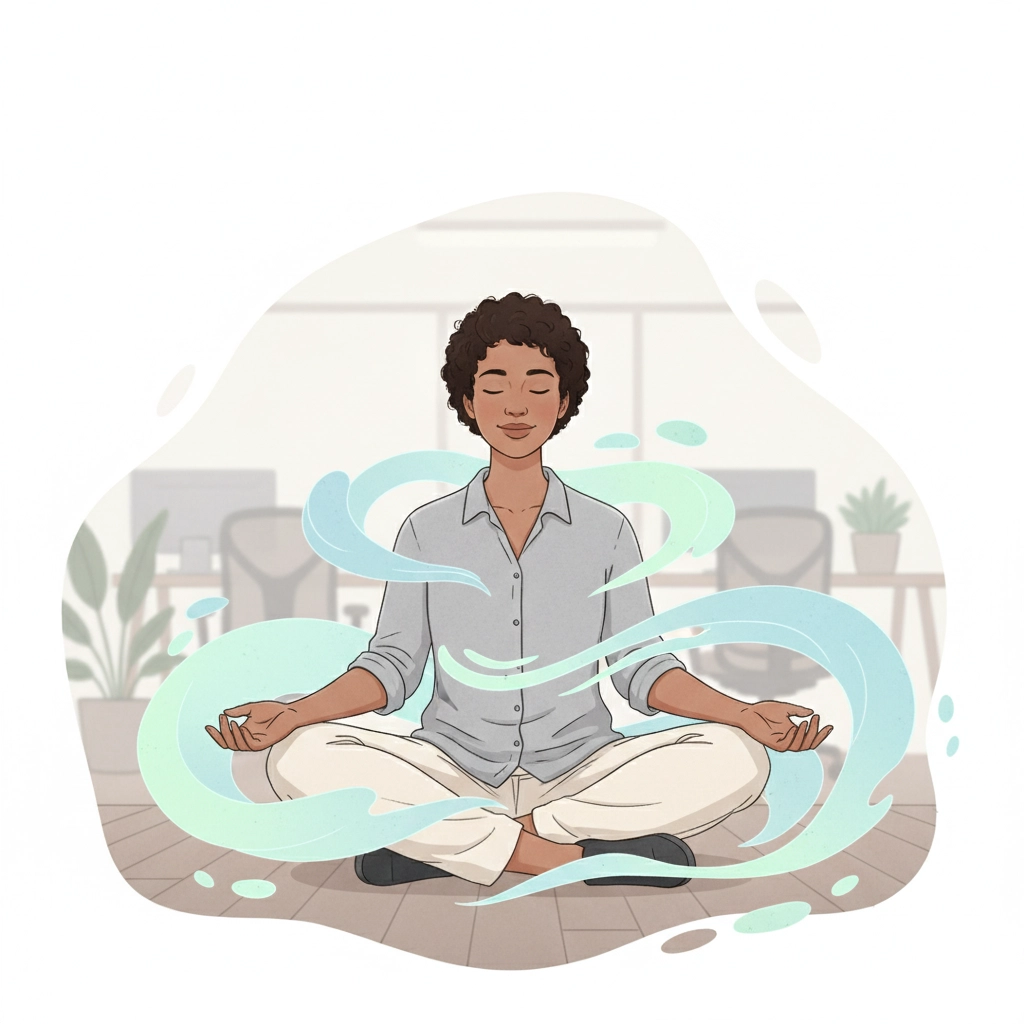
Try the three-minute emotional reset: Step away if possible (even to the bathroom works). Spend the first minute identifying any tension in your body: tight shoulders, clenched jaw, shallow breathing. Use the second minute to consciously release that tension with each exhale, letting your body physically reset. Dedicate the final minute to setting a clear intention for how you want to feel for the remainder of your day.
Can't step away? Use invisible emotional training. Take three conscious breaths while making a subtle posture shift: straighten your spine, relax your shoulders, imagine a string pulling gently upward from the crown of your head. This micro-practice interrupts negative emotional spirals and takes less than 30 seconds.
Staying True to Your Values While Building Resilience
Here's where many resilience strategies get it wrong: they suggest you need to suppress your authentic self or compromise your principles to become more emotionally resilient. That's not resilience; that's emotional suppression, and it leads to burnout.
Real emotional resilience means developing a more flexible relationship with your emotions while staying anchored to your core values. For LGBTQ+ professionals, this is especially crucial. Your identity, your values, your authentic self: these aren't obstacles to resilience; they're your foundation for it.
Accept imperfection as part of your value system. Understanding that mistakes are natural helps you adapt to new realities without abandoning your core principles. When you mess up a difficult conversation or react emotionally to a stressful situation, you can learn and adjust while still honoring your values.
Practice emotional regulation, not emotional suppression. There's a difference between managing your emotions appropriately and pretending they don't exist. You can feel frustrated about workplace discrimination and still respond professionally. You can acknowledge your anxiety about coming out to a new team while still showing up as a confident leader.
Advanced Techniques for Maximum Impact
Once you've mastered the basics, you can amplify your results by combining techniques within your five-minute window. Pair your breathing practice with positive visualization to create a compound effect that's greater than either practice alone.
Track your emotional baseline each morning and evening on a simple 1-10 scale. Notice patterns over time. Are Mondays consistently harder? Do you feel more resilient after certain types of interactions? This data helps you anticipate challenges and prepare accordingly.
Create values-based affirmations that you can use during stressful moments. Instead of generic positive statements, craft affirmations that connect to your specific values. "I bring my authentic self to this challenge" or "My perspective adds value to this team" or "I can be both professional and genuine."

Making It Sustainable for Your Real Life
The key to lasting emotional resilience isn't perfection: it's consistency. You don't need to do these practices perfectly every single day. You just need to show up more often than not.
Start smaller than you think you need to. If five minutes feels overwhelming, start with two. If you miss a few days, that's normal. The goal is progress, not perfection.
Adapt the techniques to your specific challenges. Therapists might focus more on emotional boundary practices between clients. Executives might emphasize the confidence-building visualizations before important meetings. LGBTQ+ professionals in conservative environments might prioritize the invisible techniques that help them stay centered without drawing attention.
Remember that resilience serves your values, not the other way around. You're not building emotional resilience to become a different person: you're building it to become more fully yourself, even in challenging circumstances.
The Ripple Effect of 5-Minute Resilience
Here's what happens when you consistently practice five-minute emotional resilience: you don't just feel better in the moment. You start showing up differently in all areas of your life. You respond to challenges with more creativity and less reactivity. You model healthy emotional regulation for your clients, your team, your colleagues.
For LGBTQ+ professionals, this can be particularly powerful. When you're emotionally resilient, you have more capacity to advocate for yourself and others. You can navigate difficult conversations with greater skill. You can stay connected to your authentic self even in environments that don't always feel welcoming.
Your emotional resilience becomes a gift not just to yourself, but to everyone around you. And it all starts with five minutes a day.
The beauty of this approach is that it works with your life as it is right now, not as you wish it could be. You don't need to overhaul your schedule, abandon your responsibilities, or change who you are. You just need to give yourself five minutes to strengthen the emotional muscles that help you thrive.
You deserve to feel emotionally resilient. You deserve strategies that honor both your challenges and your values. And you deserve to know that building this resilience doesn't require sacrificing anything authentic about who you are.
Start with five minutes. Your future self will thank you.
Comments